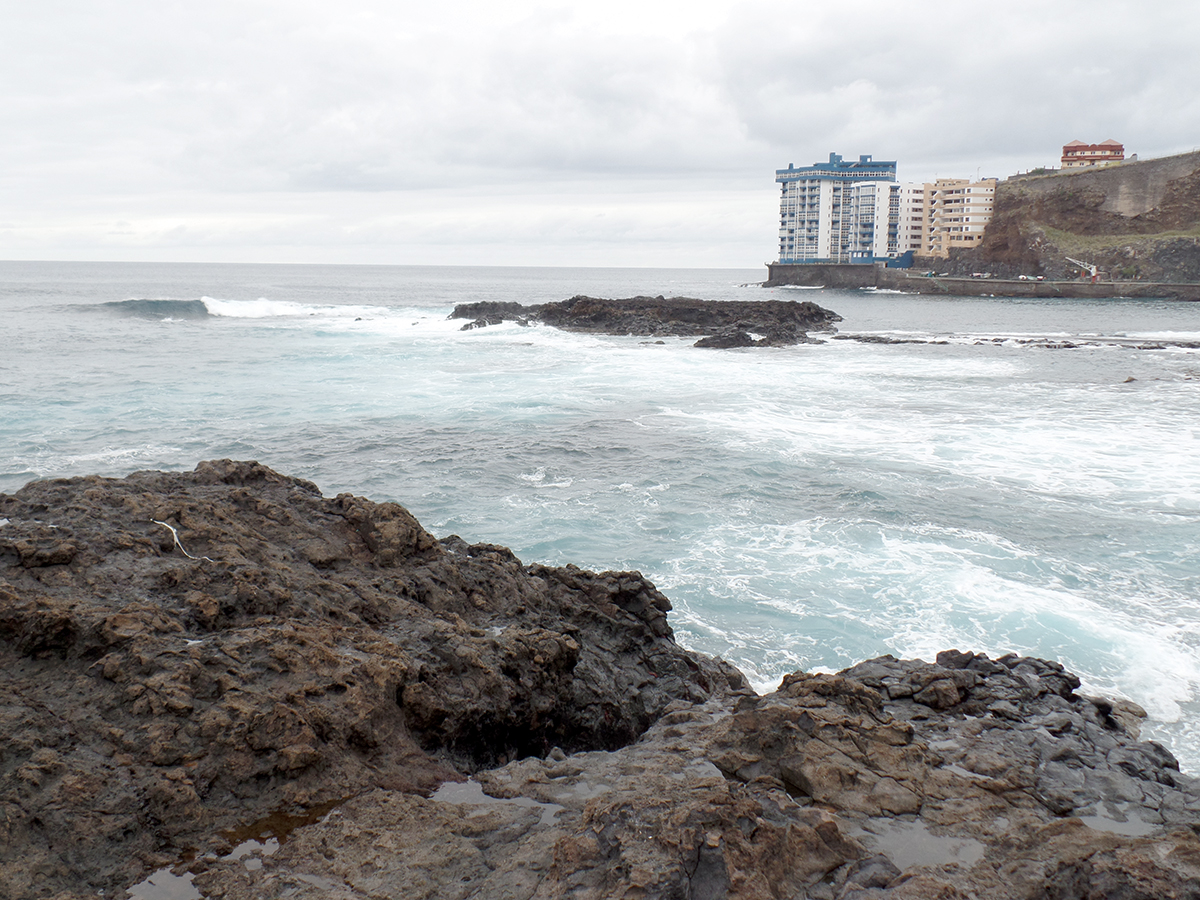

The wild surf of the Atlantic Ocean pounds relentlessly against the north coast of Tenerife. For millions of years now: whatever new rock the irregular eruptions deposit is immediately broken down again by the sea. For some time, the building up of the island has no longer kept pace with its erosion. Eventually the island will suffer the same fate as Lanzarote and Fuerteventura: no more growth, only breakdown by wind and water. Thus Tenerife will slowly wear away. But near Tacoronte there is still little sign of this: the landscape slopes gently down toward the coast, only to end abruptly in steep, vertigo-inducing cliffs and a rugged shoreline. Far below, the heavy, slow Atlantic swell—unchecked anywhere between North America and Europe—smashes against the volcanic rock. Beaches are almost entirely absent along this coast, and large stretches of the steep cliffs consist of crumbly, unstable stone. Erosion, as elsewhere on the island, has carved deep ravines—barrancos—that empty into pebble beaches.
Humans once managed, with admirable skill, to bring even the most impossible slopes and ravines under cultivation. Crops were grown on terraces. But the number of abandoned terraces—no longer irrigated and fallen prey to desertification or overgrowth—is enormous: more money could be made from fly-in Europeans than from growing bananas and tomatoes.
At the foot of the steep cliffs and at the end of the deep Barranco de Guayonje—right next to the beach of La Arena—the large landowner Antonio Domínguez had a summer residence built at the end of the nineteenth century. A cable car connected the terraces with banana plantations at the bottom of the ravine to the gently sloping landscape atop the cliffs. The summer house resembles a scale model of a castle, and because of its small size it is locally known as the Castillete de Guayonje. The little castle contains only a few rooms, and the crenellated tower is just two stories high. It most closely resembles a folly, of the sort popular at the time among the British aristocracy: on their estates they built Greek temples, medieval towers that served as dovecotes, ruins, and even hermits’ huts in which a local pauper would, for a small sum, play the role of a hermit. The Castillete de Guayonje, however, served admirably as a summer retreat for the Domínguez family: the son of the house would spend long periods there.
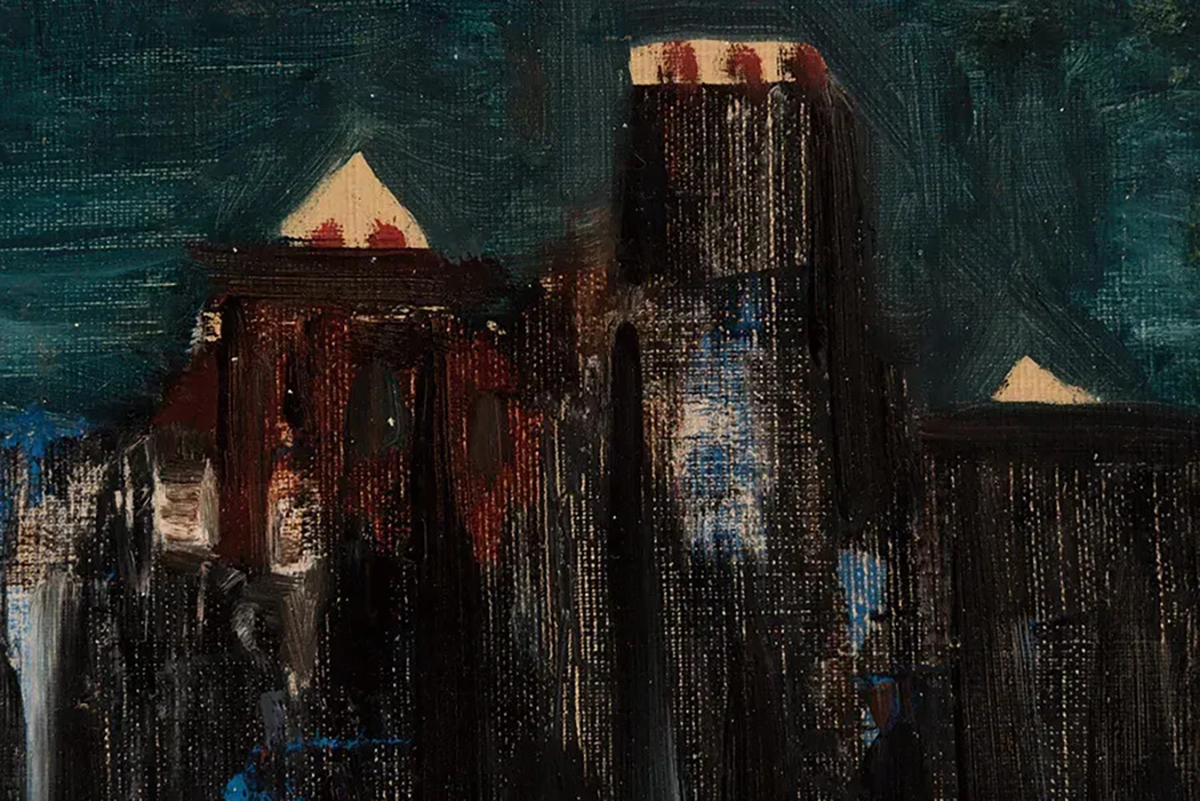
Óscar Domínguez was born on Tenerife in 1906 and would become one of Spain’s best-known surrealist painters, an elegant, cultivated, and solitary womanizer. Gazing out over the Atlantic Ocean, Óscar let his imagination run free, and he would later capture the magical view in several of his works. What Óscar could not have suspected was that some of his paintings would acquire a prophetic quality: the villages clinging to cliffs, sometimes nocturnal, that he painted in the 1930s bear a striking resemblance to the view that visitors to the Castillete de Guayonje would have from the late 1960s onward. Anyone standing on the castle’s terrace after 1967 and looking north toward the far side of Playa La Arena could, in retrospect, read Óscar Domínguez’s work as an artistic impression of a property developer’s vision.
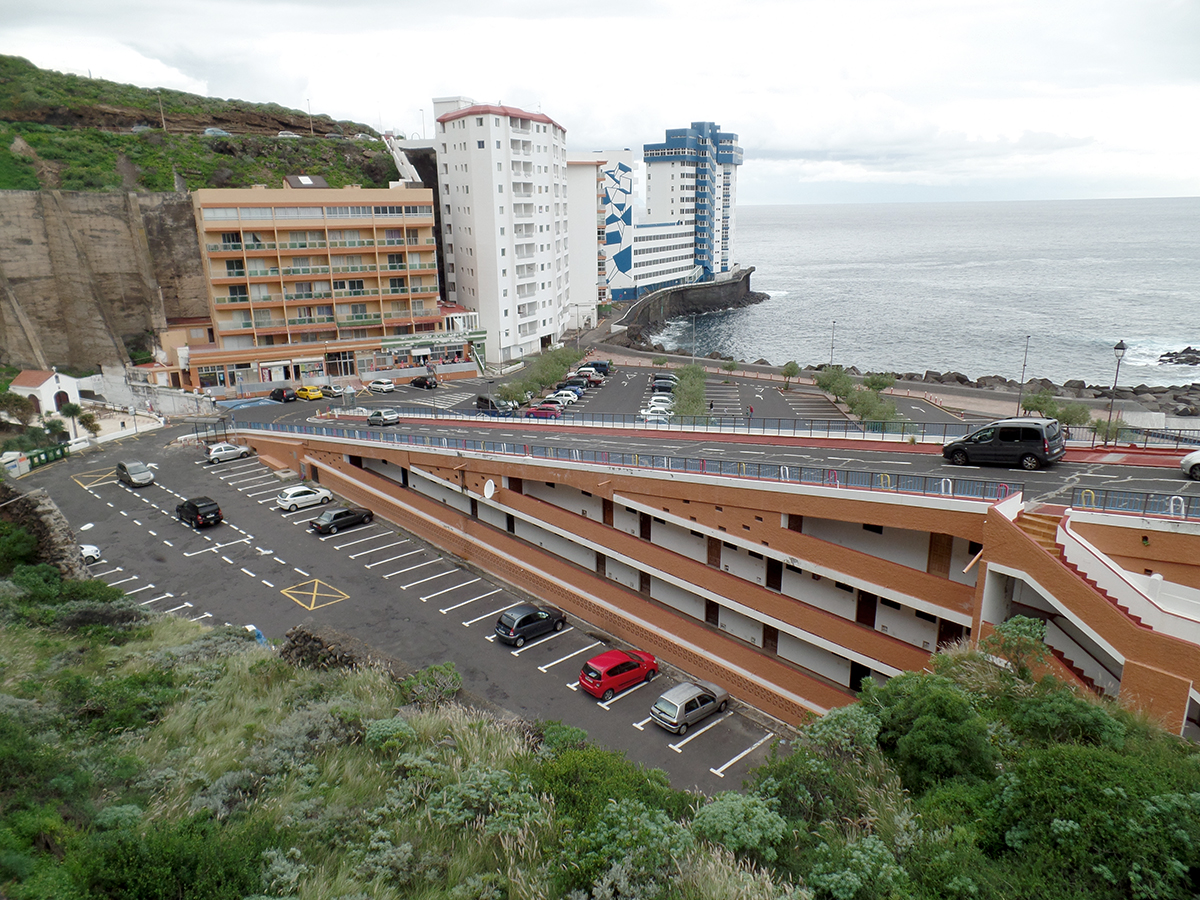
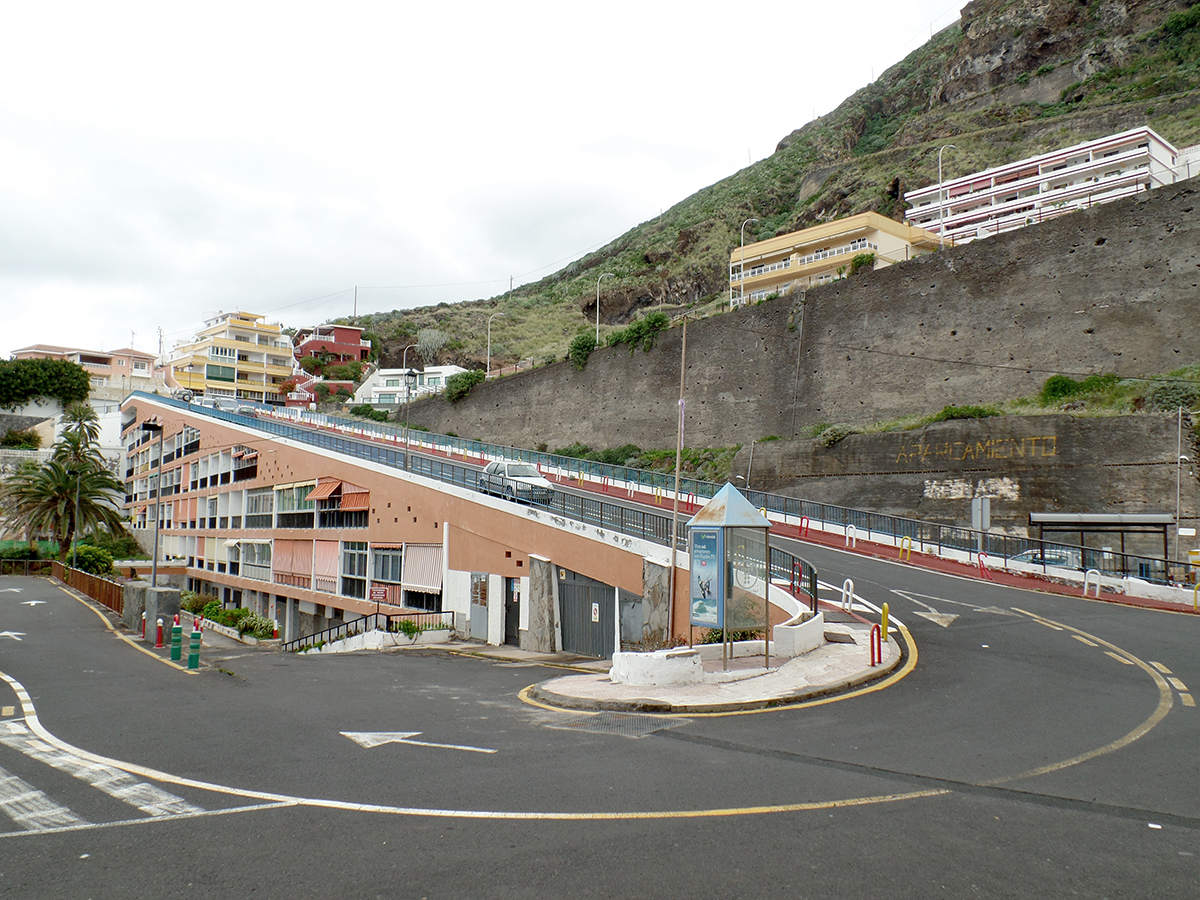
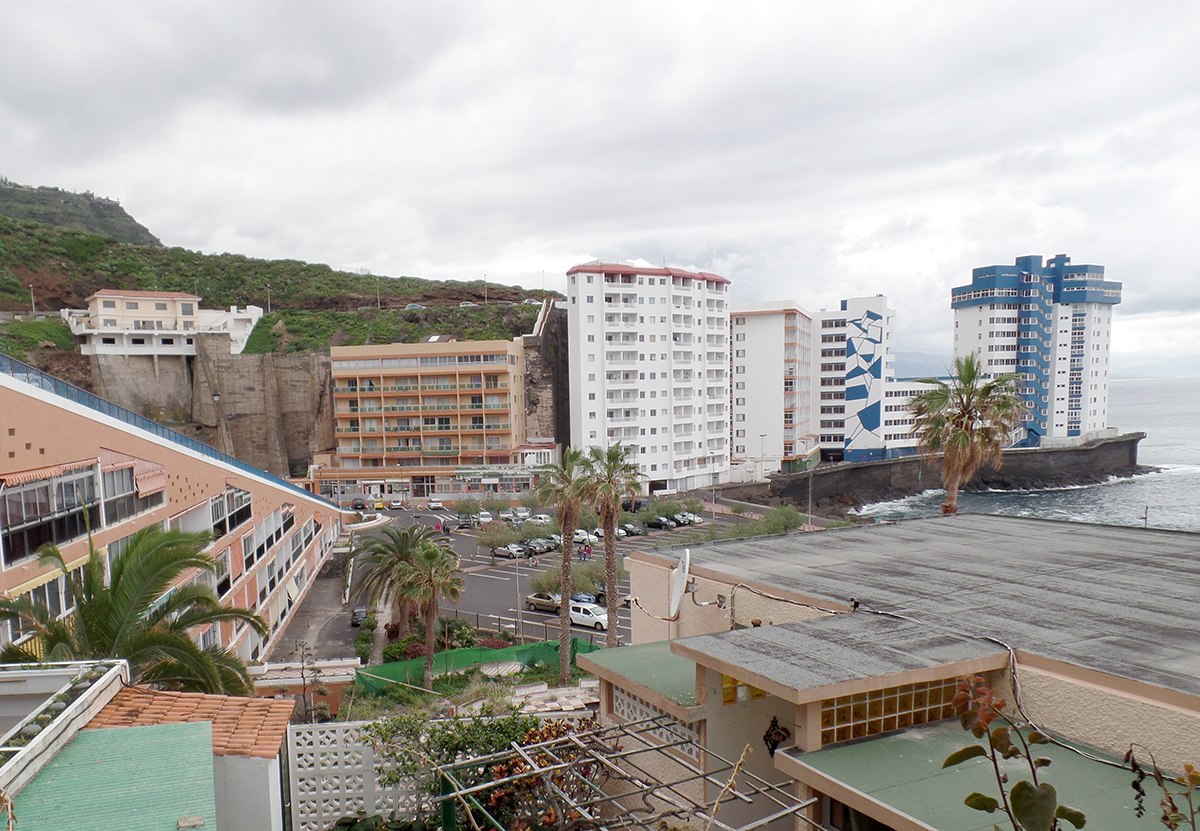
In 1963 the local entrepreneur Arcadio Pérez Dorta began acquiring curious parcels of land. To enter the rapidly growing tourist market, he bought stretches of coast at the foot of steep cliffs that were completely inaccessible. His own brothers called it “Operation Madness.” But Arcadio Pérez had an idea that was as risky as it was innovative. Together with fellow developer Raymon Wilfart and architect Carmelo Rodríguez, he devised an ambitious project: the construction of a tourist complex on an uninhabited, inaccessible, and narrow strip of coast. They defied nature and built an impossible road with countless hairpin bends to overcome the enormous height difference of the cliffs. The final stretch of road to the isolated coastal strip consists of an apartment building—Los Ficus—whose roof also forms the roadway and functions as a ramp into the area. The dwellings beneath the road, seen from afar, recall the cave houses in which the island’s original inhabitants—the Guanches—once lived along this coast.
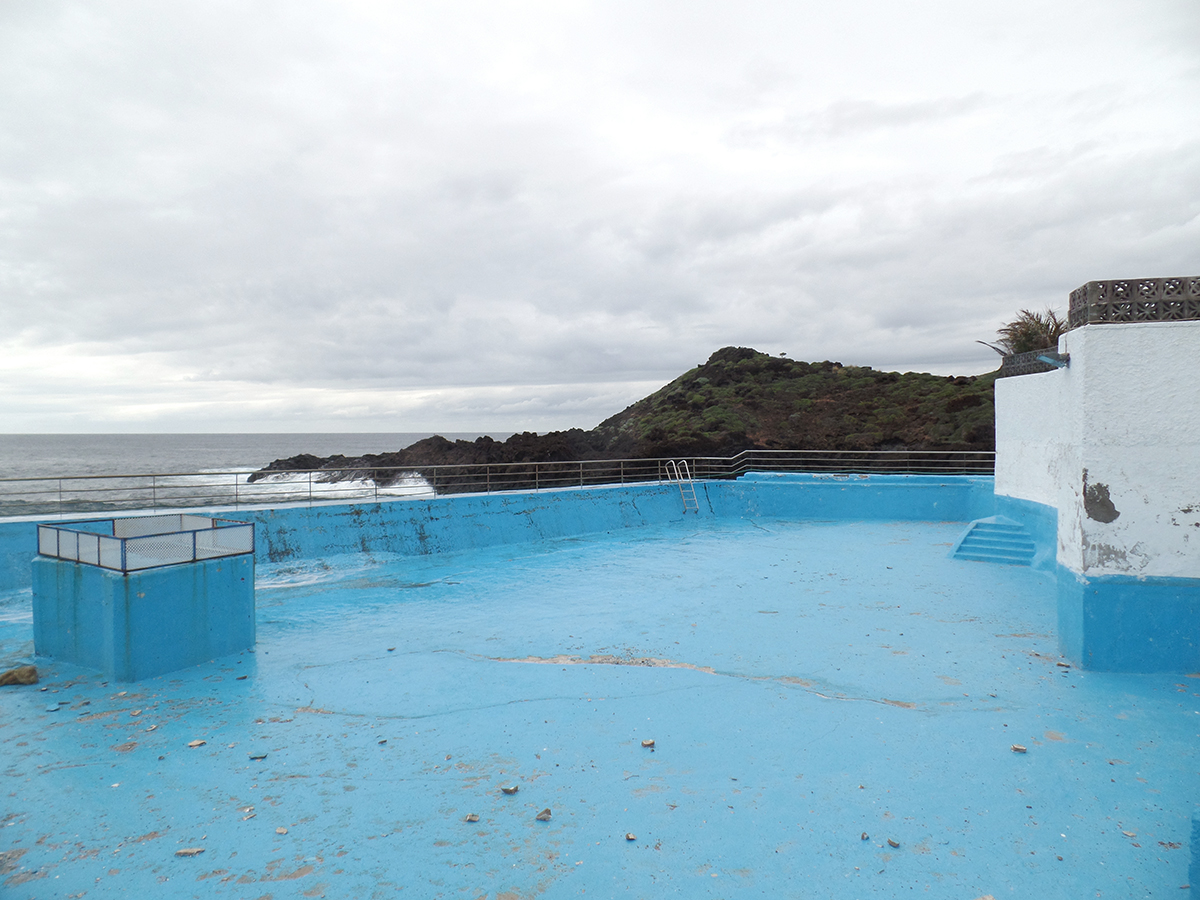
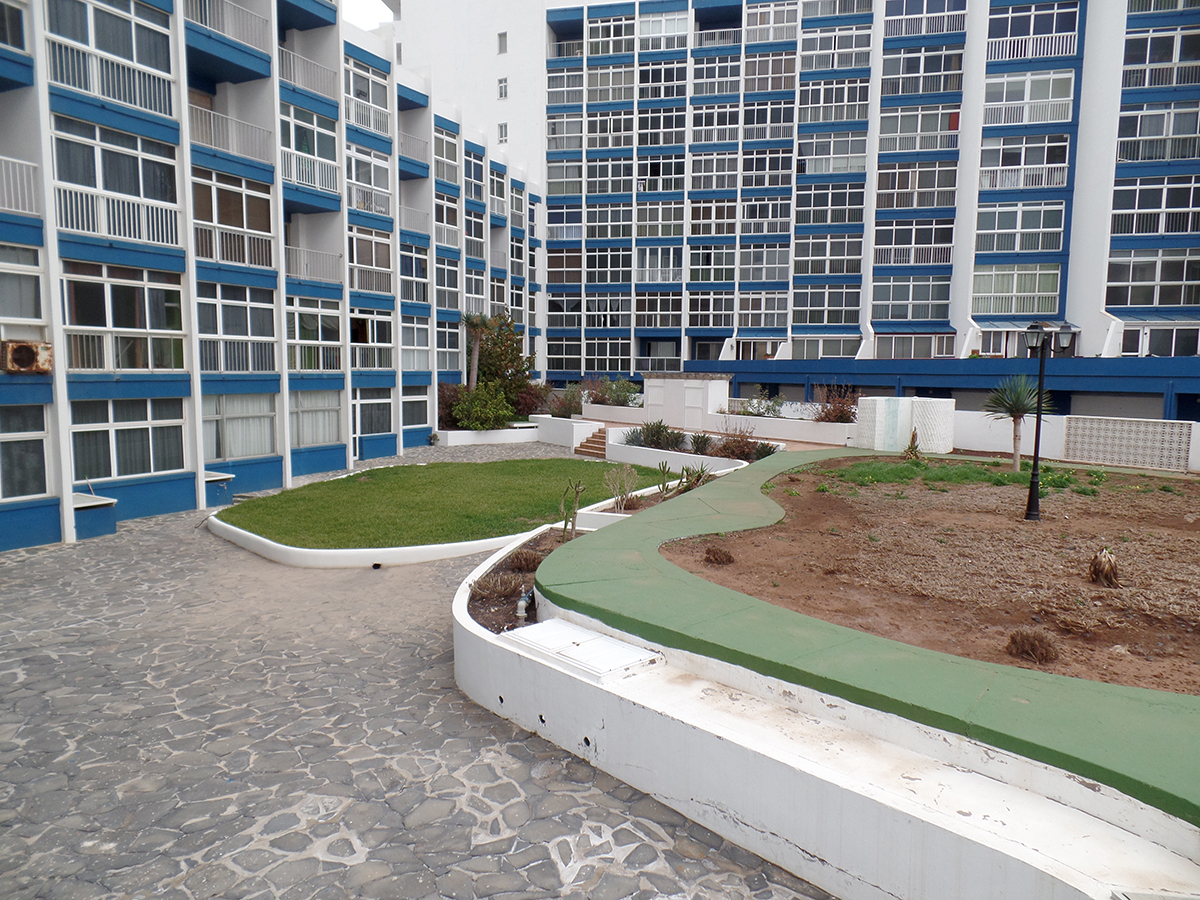
The crown of this “madness” is the Hotel Mar y Sol, which towers above the surf like a man-made cliff twelve stories high. Two piscinas naturales—sea pools that fill with seawater at high tide—and three tall apartment blocks together form Mesa del Mar. The construction debris dumped into the bay off Playa La Arena turns out to have an unexpectedly beneficial effect on the beach: more sand accumulates, and unintentionally it becomes one of the most attractive beaches on the north coast. But a steep basalt cliff separates it from Mesa del Mar. On the initiative of Arcadio Pérez, a tunnel is dug to connect the parking lot with Playa La Arena. On 7 July 1968 the bizarre project is crowned with the Tourism Merit Plaque, awarded by the Ministry of Information and Tourism.
Anyone descending today along the steep, winding road to Mesa del Mar no longer encounters an award-winning resort: the ravages of time have left deep marks on the daring complex. Like other resorts on Tenerife’s north coast, Mesa del Mar has suffered badly from the changing tastes of Northern European sunseekers. The rise of the sun-reliable west coast, with its natural sandy beaches as the epicenter of holiday life, has also dealt Mesa del Mar a mortal blow. Hotel Mar y Sol followed the same path as so many hotels along this coast: from luxury hotel to budget hotel, and from budget hotel through timeshare apartments to ordinary apartments now inhabited by local residents.
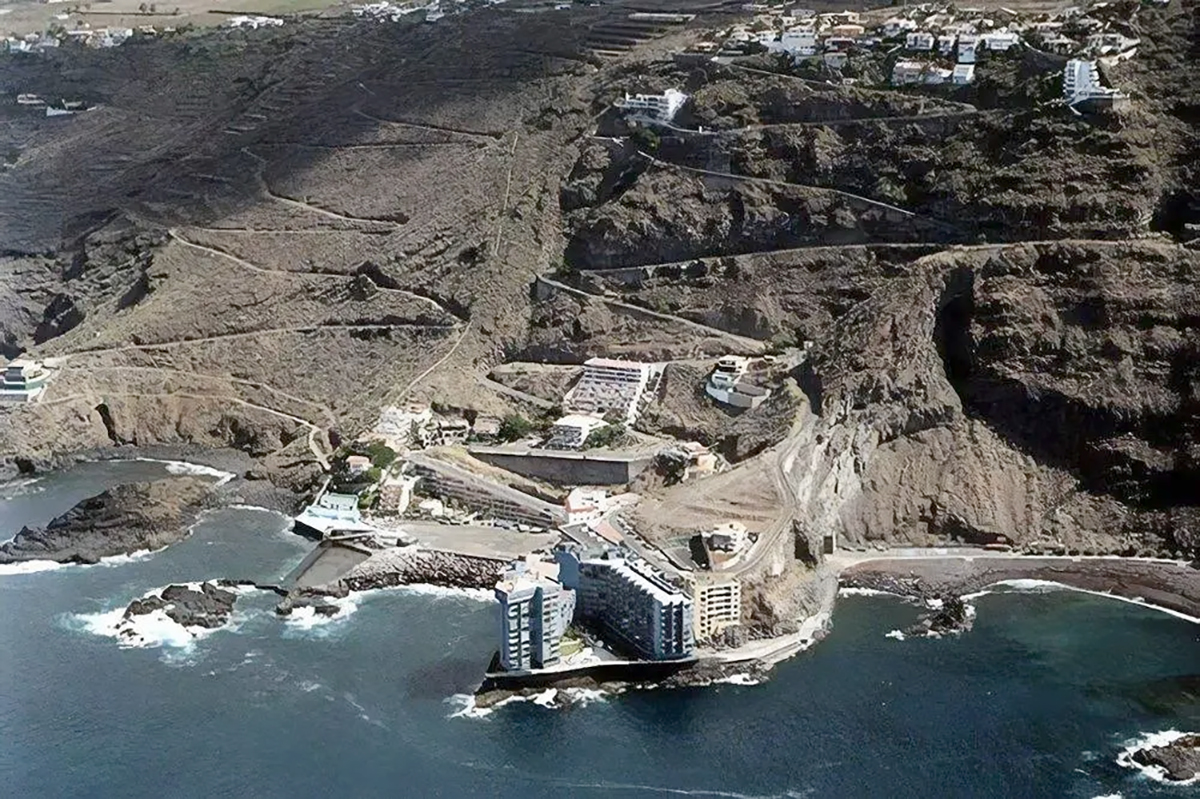
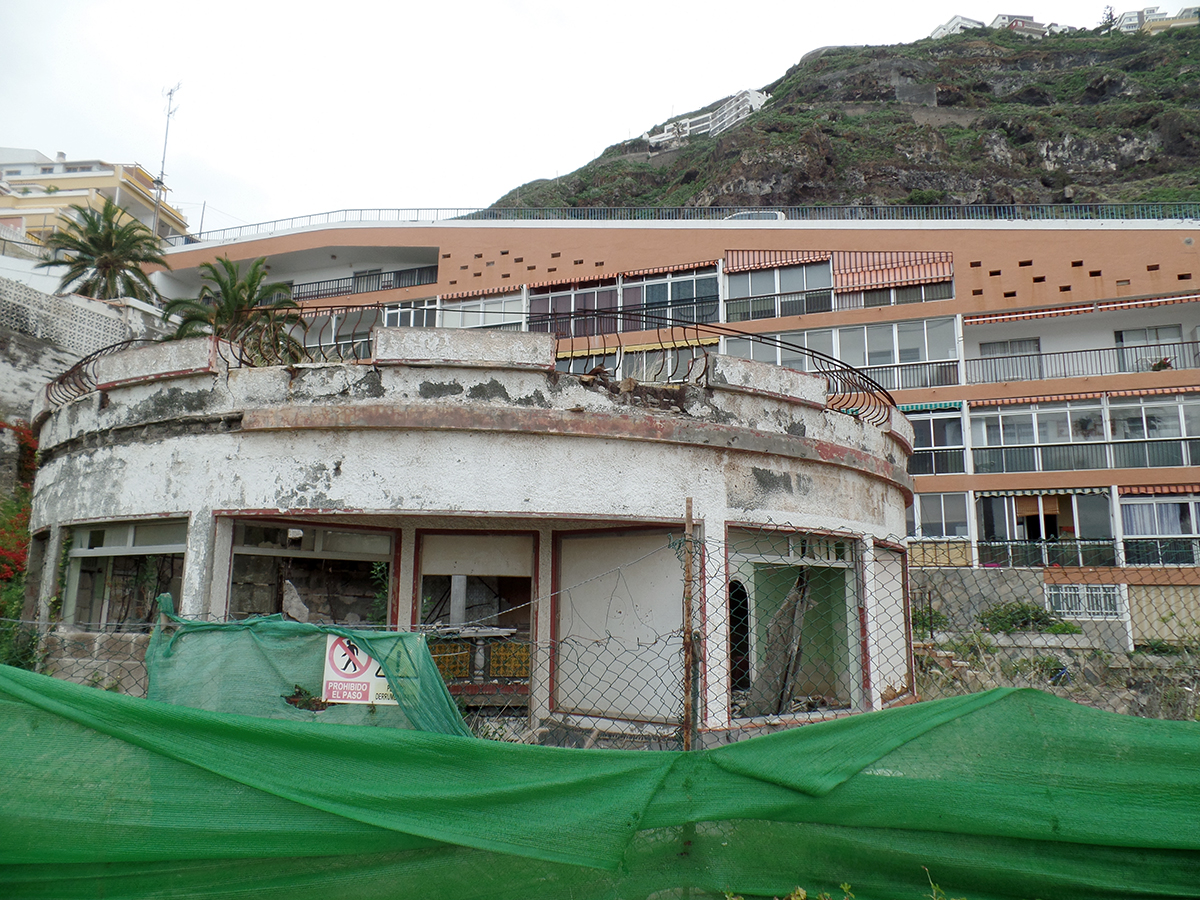
After the last bend, driving over the roof of Los Ficus, you find yourself inside what was once the chic restaurant La Rotonda. The roof has collapsed, and faded strips of awning flap in the unceasing wind. One of the piscinas naturales lies colorless behind tall fences. The other was renovated not long ago and fitted with wooden decking. Of the ground-floor restaurant spaces in the apartment complexes, one leads a moribund existence. The rest are closed. At the end of the massive concrete wall that serves as a moderately successful breakwater for Mar y Sol, a poorly lit tunnel gives access to a quay and to Playa La Arena. The corner restaurant is boarded up with old newspapers.
For several years the beach was off limits: the fragile cliffs above regularly caused heavy rockfalls and landslides. With a substantial investment, the municipality of Tacoronte managed to stabilize the unstable coast using concrete injections, ground anchors, and steel nets. Courageously, they attempt to slow the natural erosion of the volcanic shoreline. The question is whether the same can be done for the Mar y Sol complex, which since 1967 has bravely but recklessly assumed the role of the coastline itself. Online, images from November 2018 show gigantic waves ripping balconies away as high as the third floor. That evening, 87 apartments were evacuated because the sea had temporarily reclaimed the lower level and forced in windows and doors up to the fifth floor.
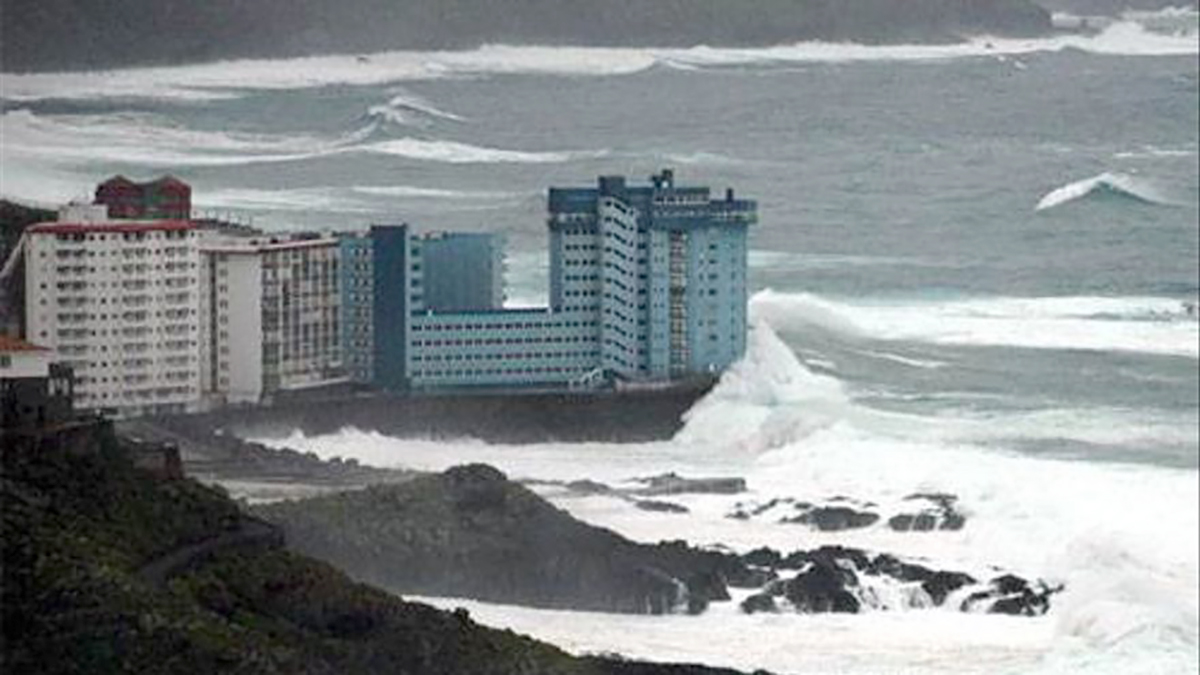
Mesa del Mar is the most extraordinary project from the wild years of mass tourism on Tenerife: as risky as it was innovative. Anyone who watches the footage of the 2018 storm can hardly avoid agreeing with Arcadio Pérez’s brothers: Mesa del Mar is madness… but intriguing and photogenic madness.
The surrealist painter Óscar Domínguez did not live to see the drastic transformation of his beloved view: in 1936 he fled the Spanish Civil War for France, where he took his own life in Paris on New Year’s Eve 1957.