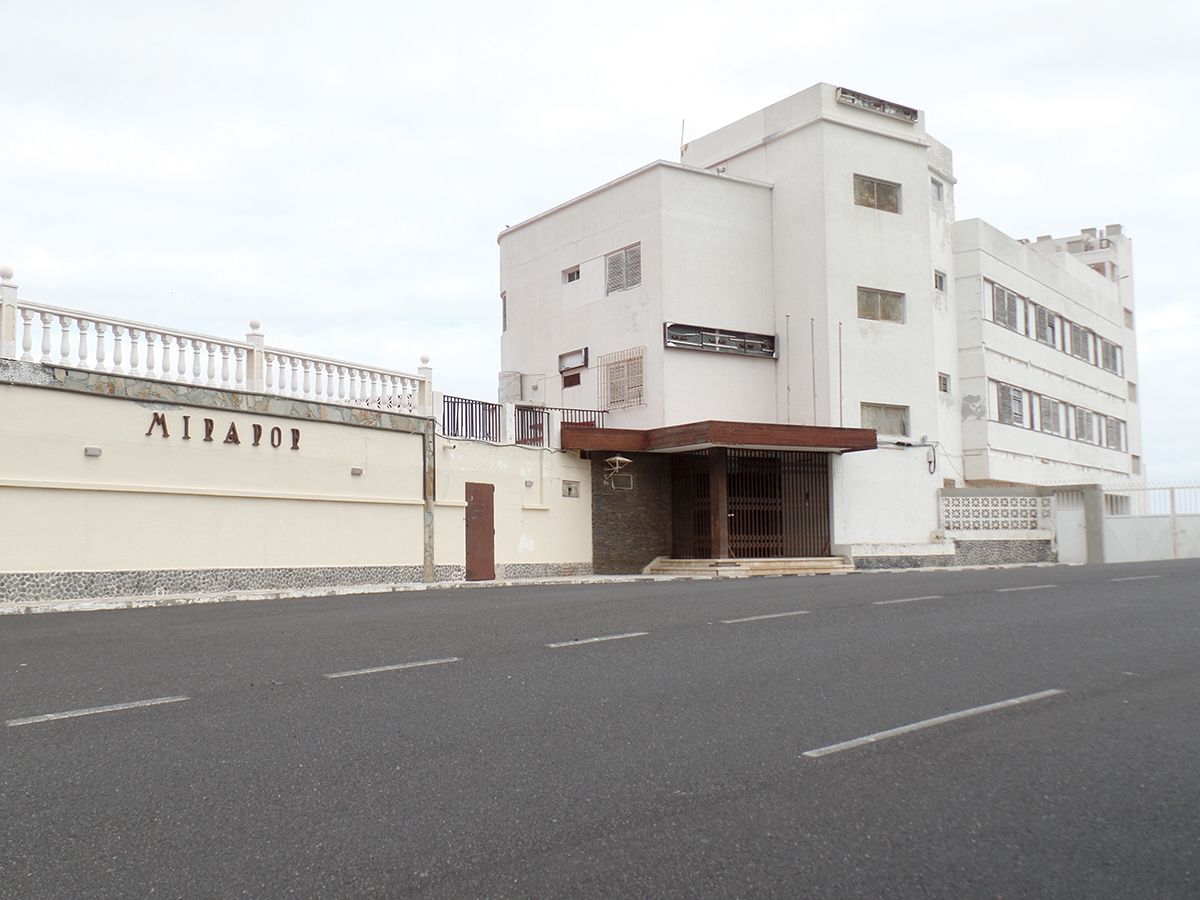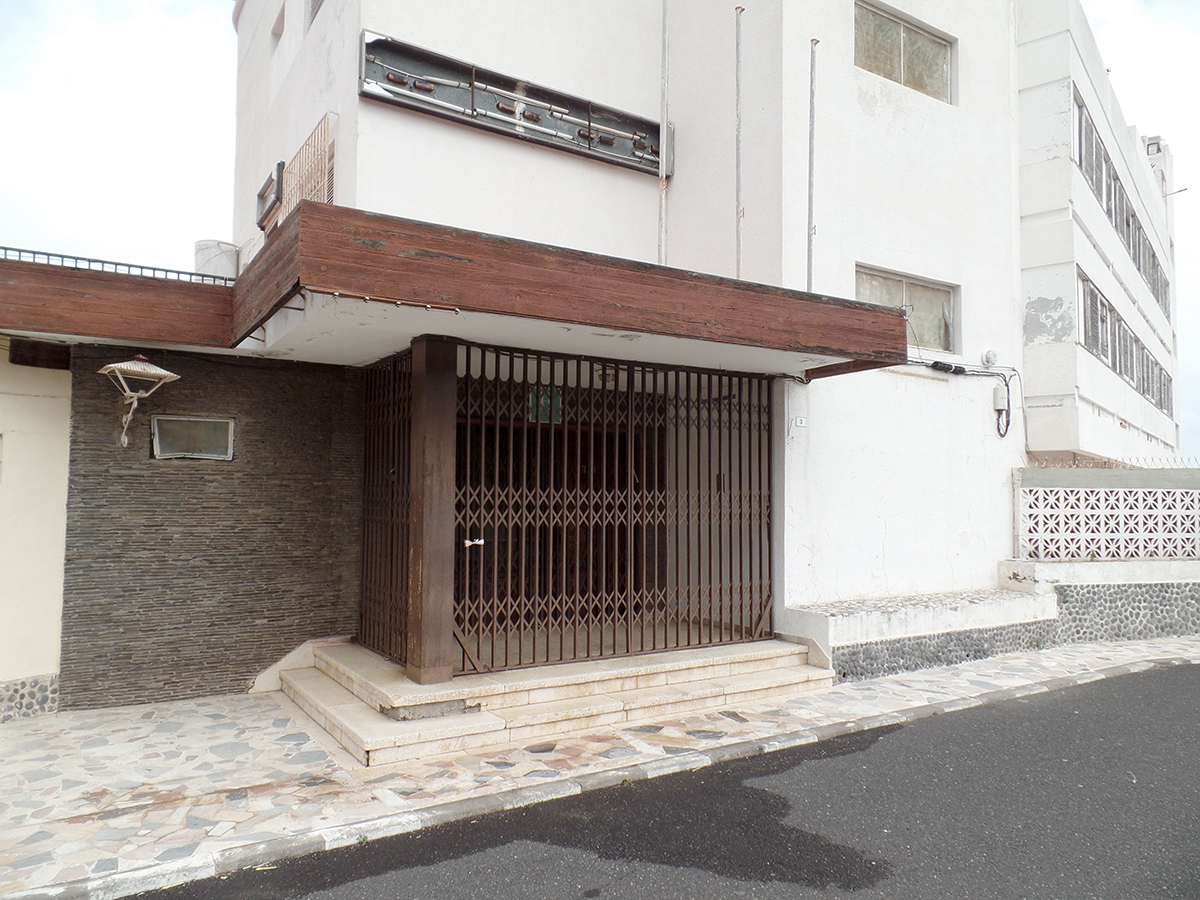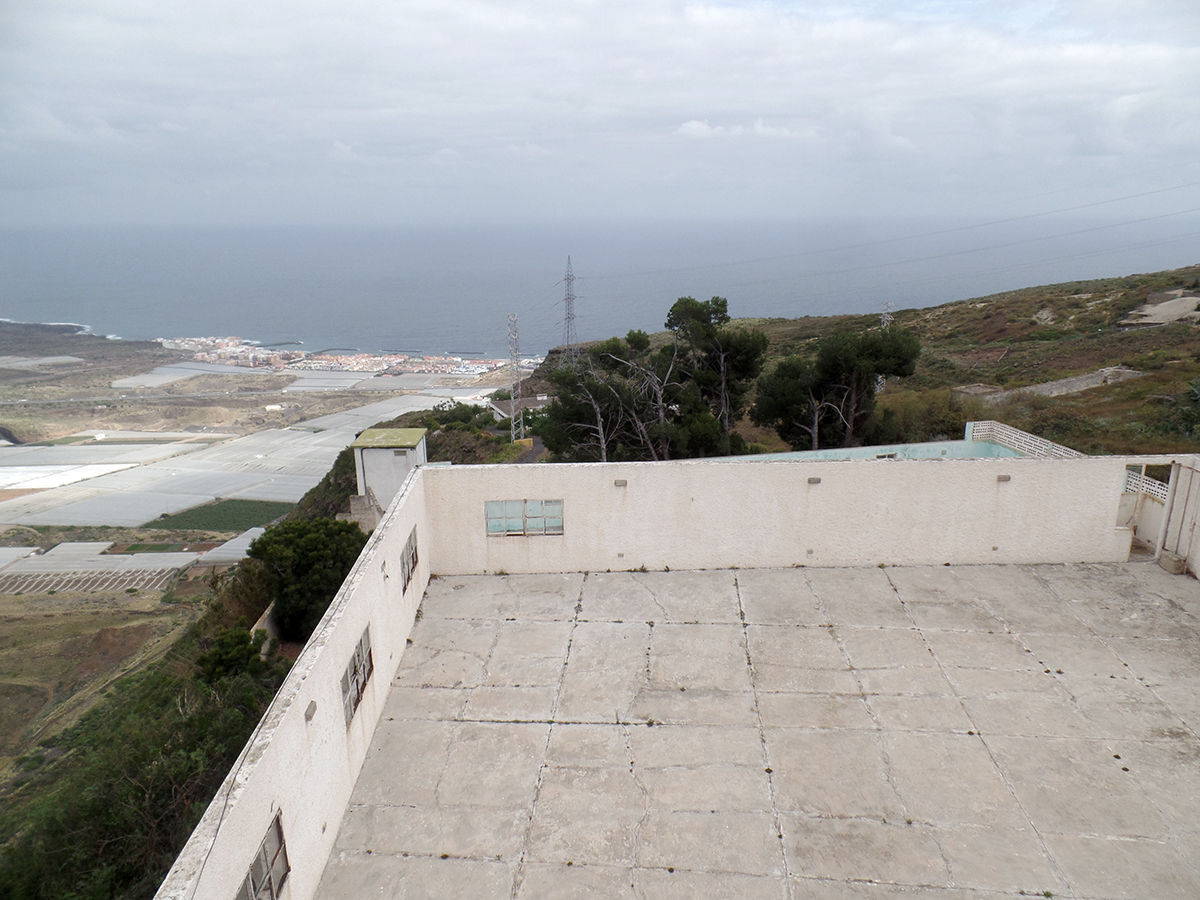
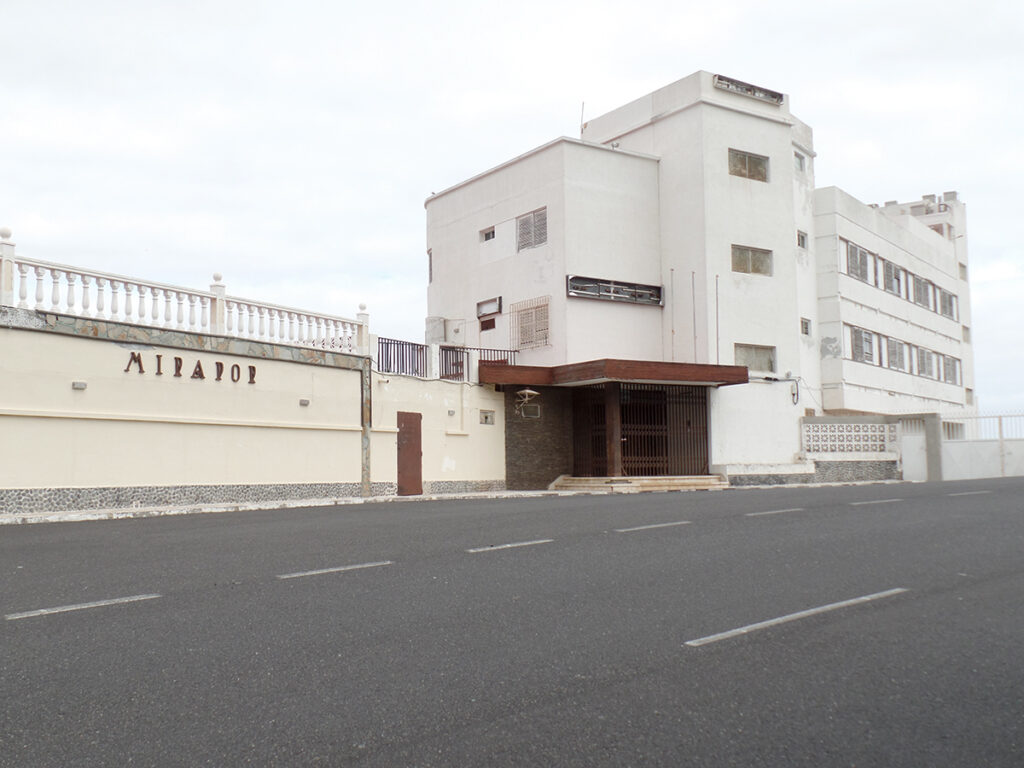
In a sharp bend, high on the slope of the deep Ladera de Güímar valley, stands a forgotten icon of the 1960s: Hotel Valle de Güímar (1967), designed by Félix Sáenz Marrero — a key figure in Canarian tourism architecture. It is a textbook example of the International Style that shaped the Canary Islands of the time: sleek, functional, with minimal ornamentation — built for a new world of scheduled flights, swimming pools, and seaside holidays.
Long before the charter boom, classic hotels had already drawn wealthy travelers to the archipelago. Tourism changed dramatically between 1957 and 1975, when the Spanish state began financing hotel construction through loans; foreign investment soon followed. In a few short years, Tenerife urbanized at a rapid pace. During these early years of mass tourism, a battle of styles unfolded. The government — then still under Franco’s regime — favored the so-called neocanario style, with traditional regional references such as wooden balconies, latticework, and Moorish tiles, while private developers opted for the International Style: cheaper, faster to build, and modern. By around 1970, traditional details appeared only sporadically, a “typical Canarian touch” in otherwise modernist buildings.
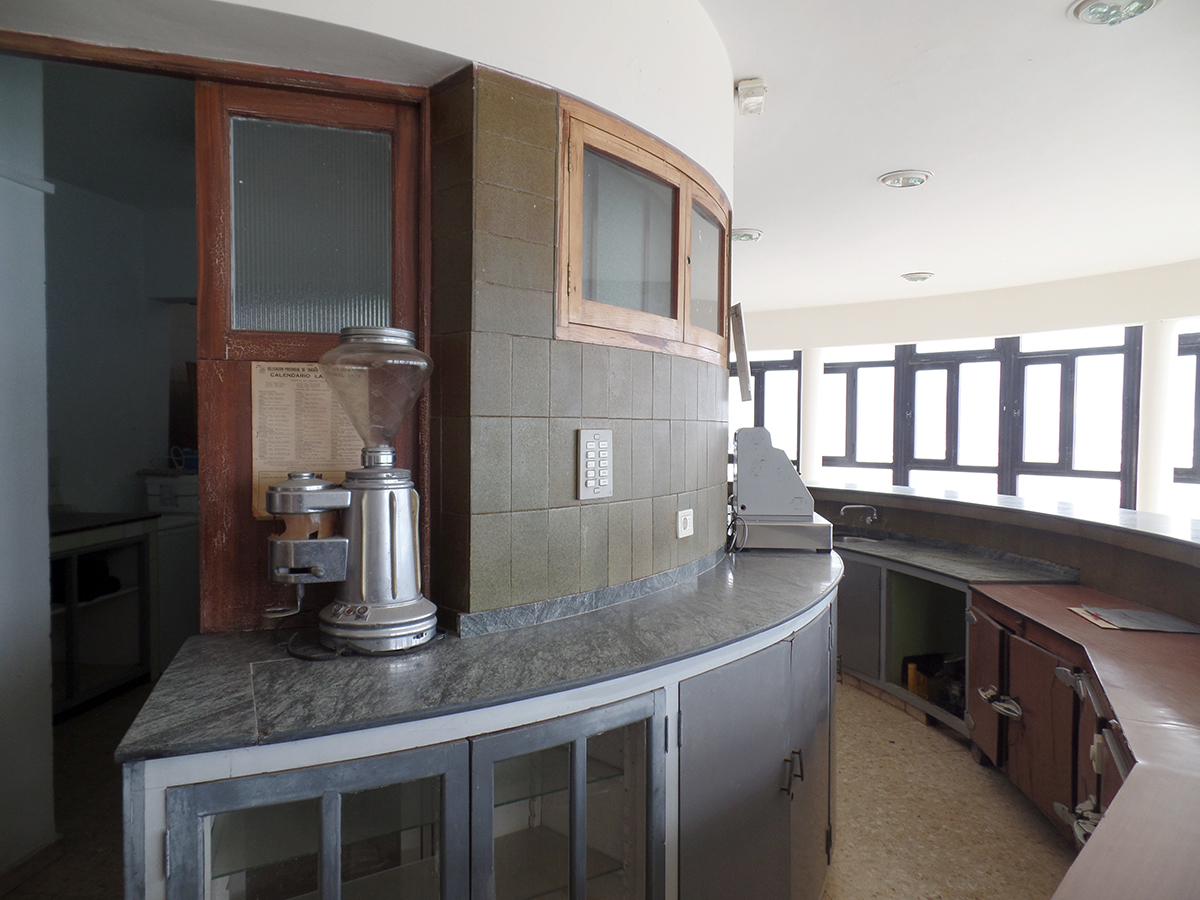
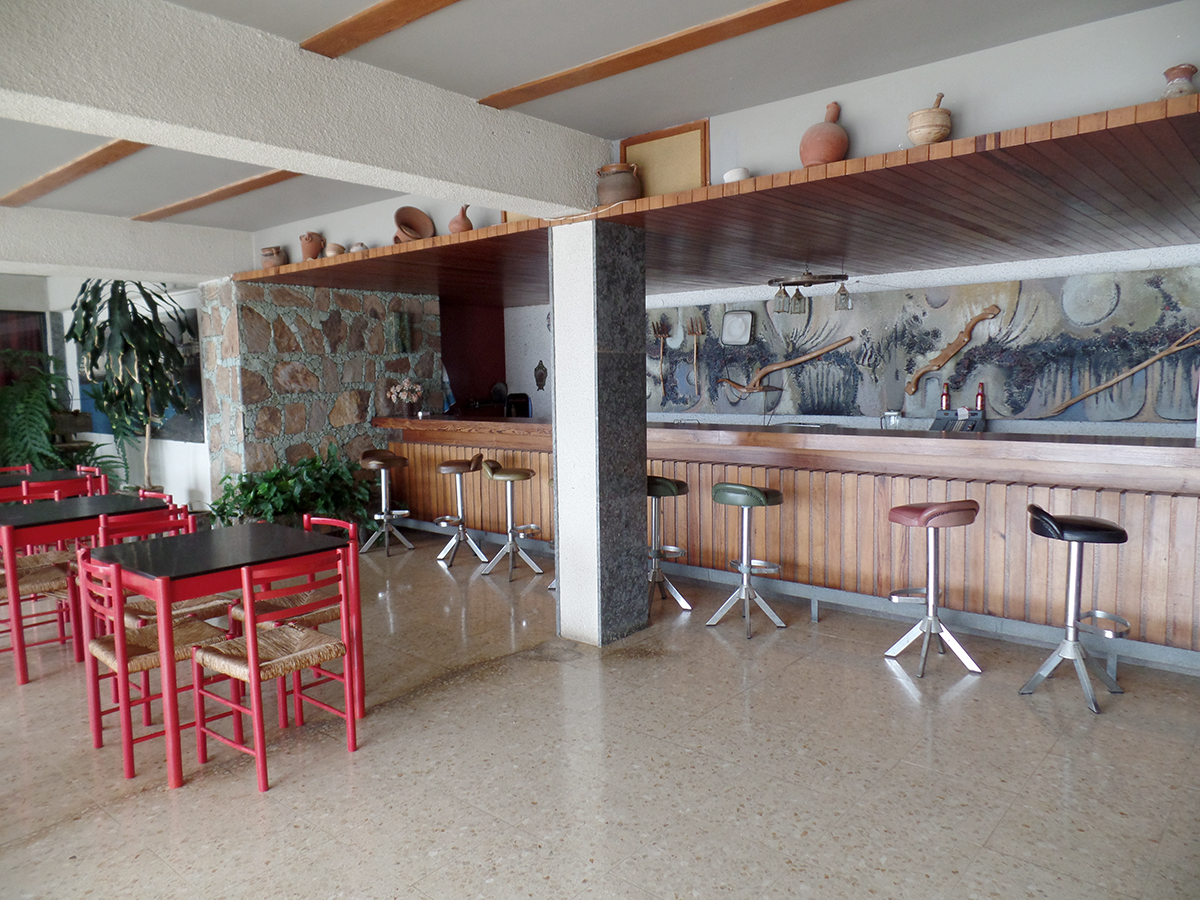
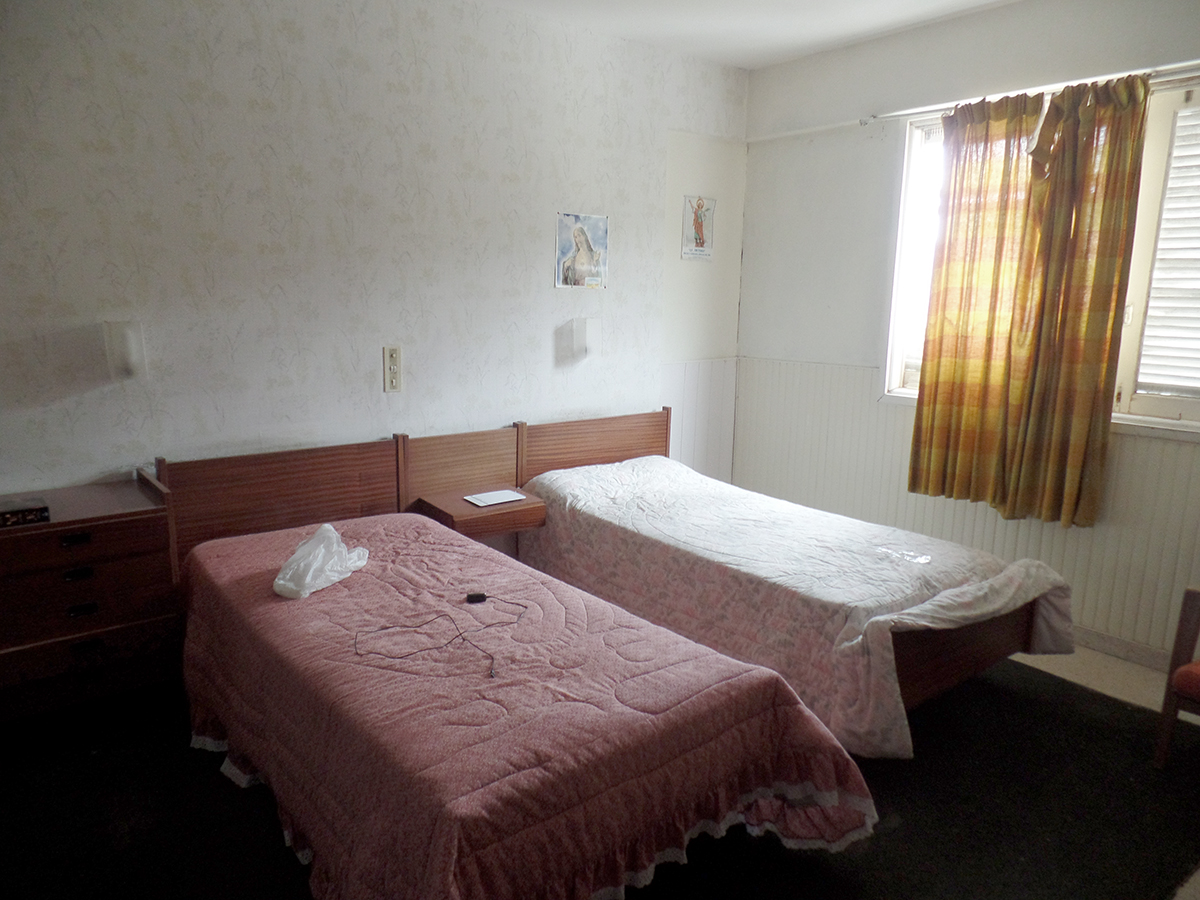
Hotel Valle de Güímar is a striking example of this shift: no carved balconies here, but geometry, polished façades, and glass. Only the subtle use of volcanic stone from Mount Teide on parts of the façade nods to the island’s material heritage. The hotel was classified as 1º B (roughly three stars today): 22 double rooms, a reception, bar, dining hall, swimming pool, and even a discotheque — the place to be in the late 1960s. On the ground floor, Sáenz Marrero gave full prominence to light and landscape: floor-to-ceiling windows frame sweeping views of the valley. In the bar still hangs an abstract wall composition by Fernando García Ramos, a leading figure in twentieth-century Canarian art.
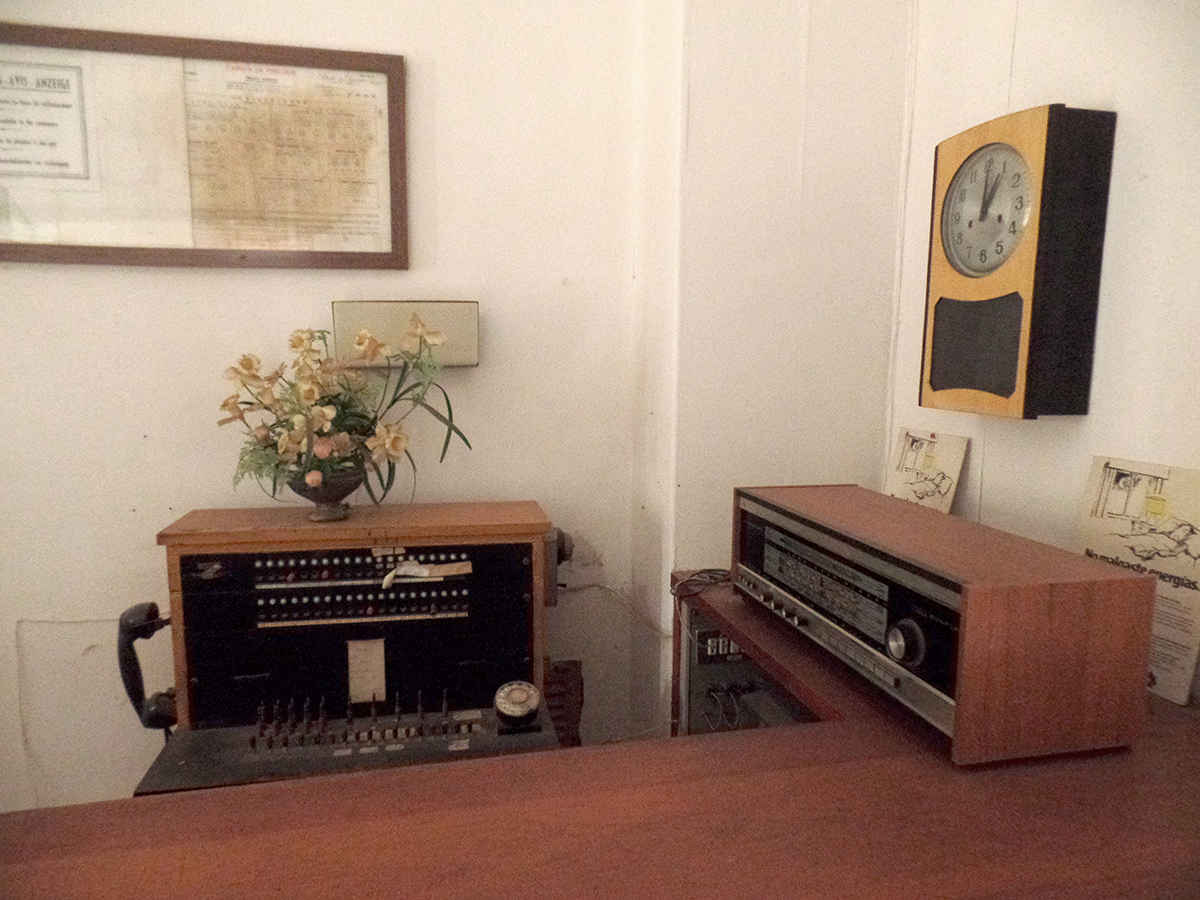
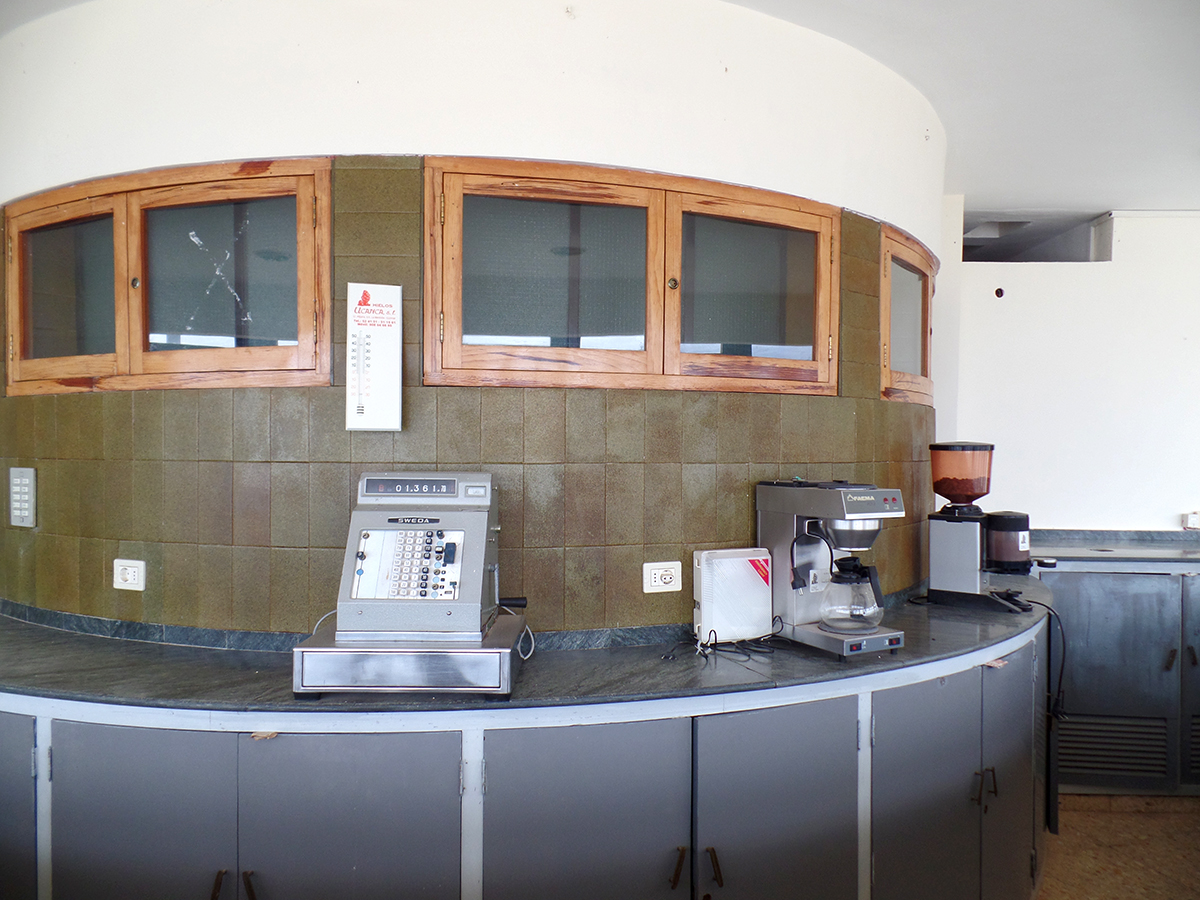
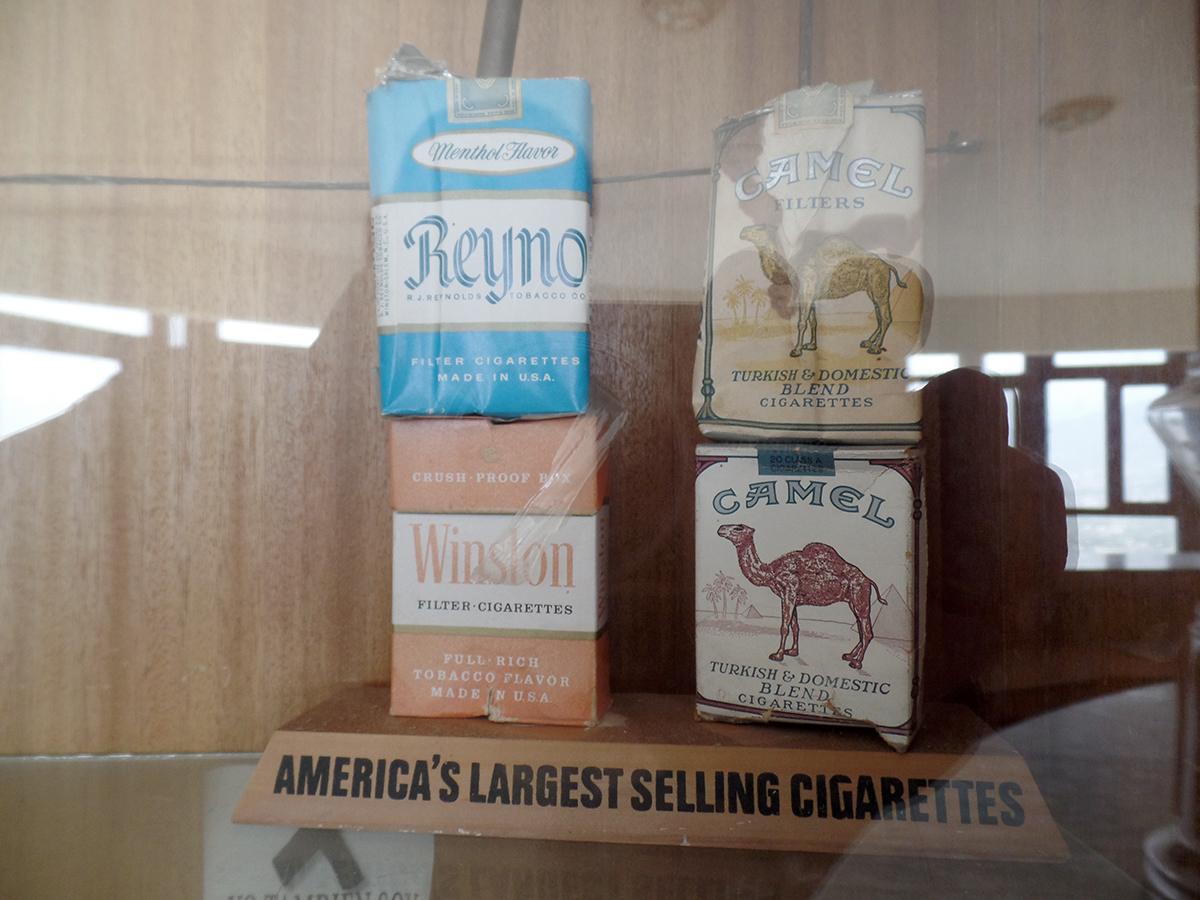
The construction of the T1 highway, linking Santa Cruz to the sun-drenched beaches of the southern coast, transformed the face of Tenerife. The old road, with its thousand bends, was downgraded from a main artery to a sleepy route connecting the villages and towns clinging to the eastern slopes. The new highway redirected traffic — and with it, the hotel’s fate. By the late 1970s, its doors had closed. Ironically, this ensured much of the building remained intact. Its interiors appear frozen in time.
Hotel Valle de Güímar stands as a symbol of an optimistic moment in Canarian modernism. It reflects how the islands broke away from purely regionalist imagery and embraced the European avant-garde, without entirely losing their own identity. These buildings are not “just concrete,” but witnesses to a social and economic transformation that forever changed life on the islands