Just outside Verden, on the edge of the marshy floodplains of the Weser, the Sachsenhain lies silent beneath thin autumn light. On 22 June 1935, this cult site was inaugurated during the summer solstice. Sachsenhain is perhaps the place where the Blut und Boden ideology found its clearest expression—quite literally, since it was conceived as a memorial for the approximately 4,500 Saxons who were slaughtered here in 732 by Charlemagne.
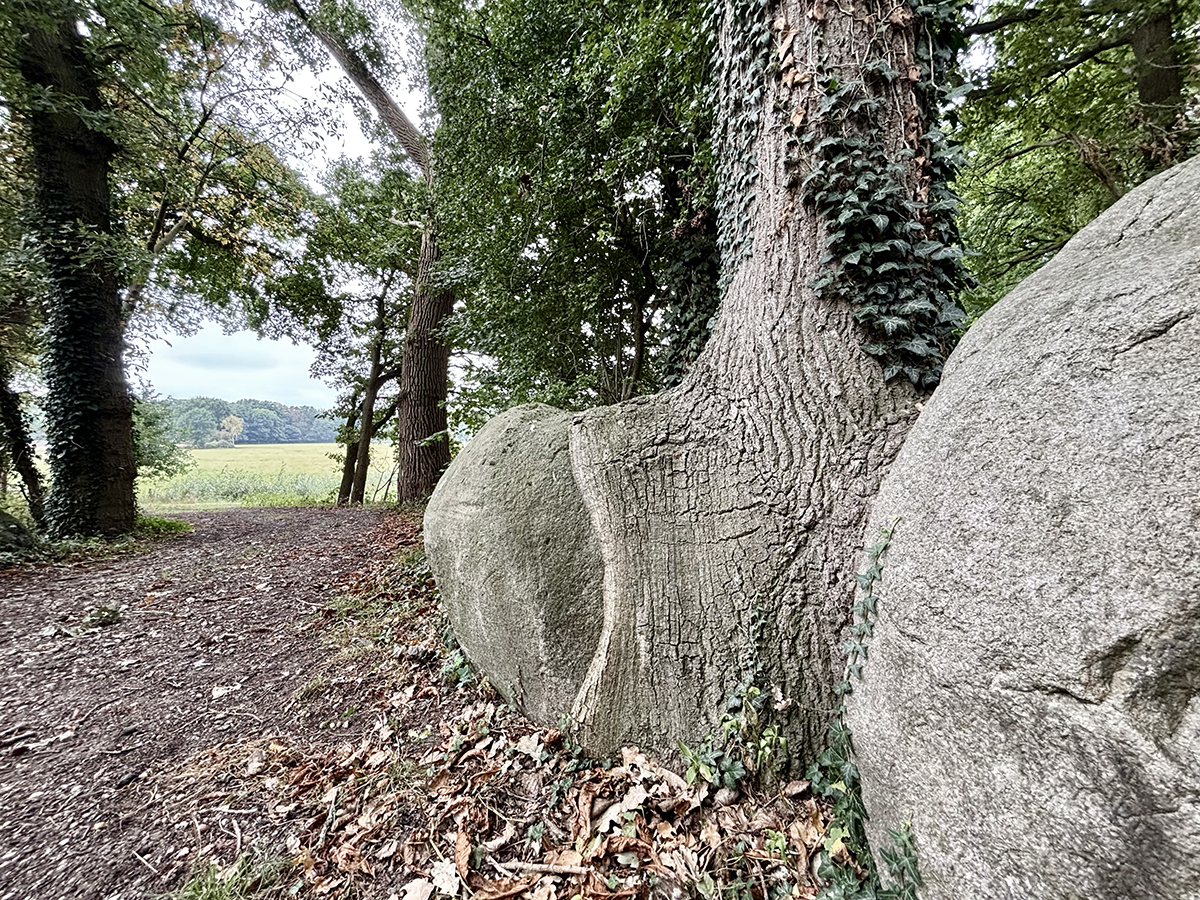
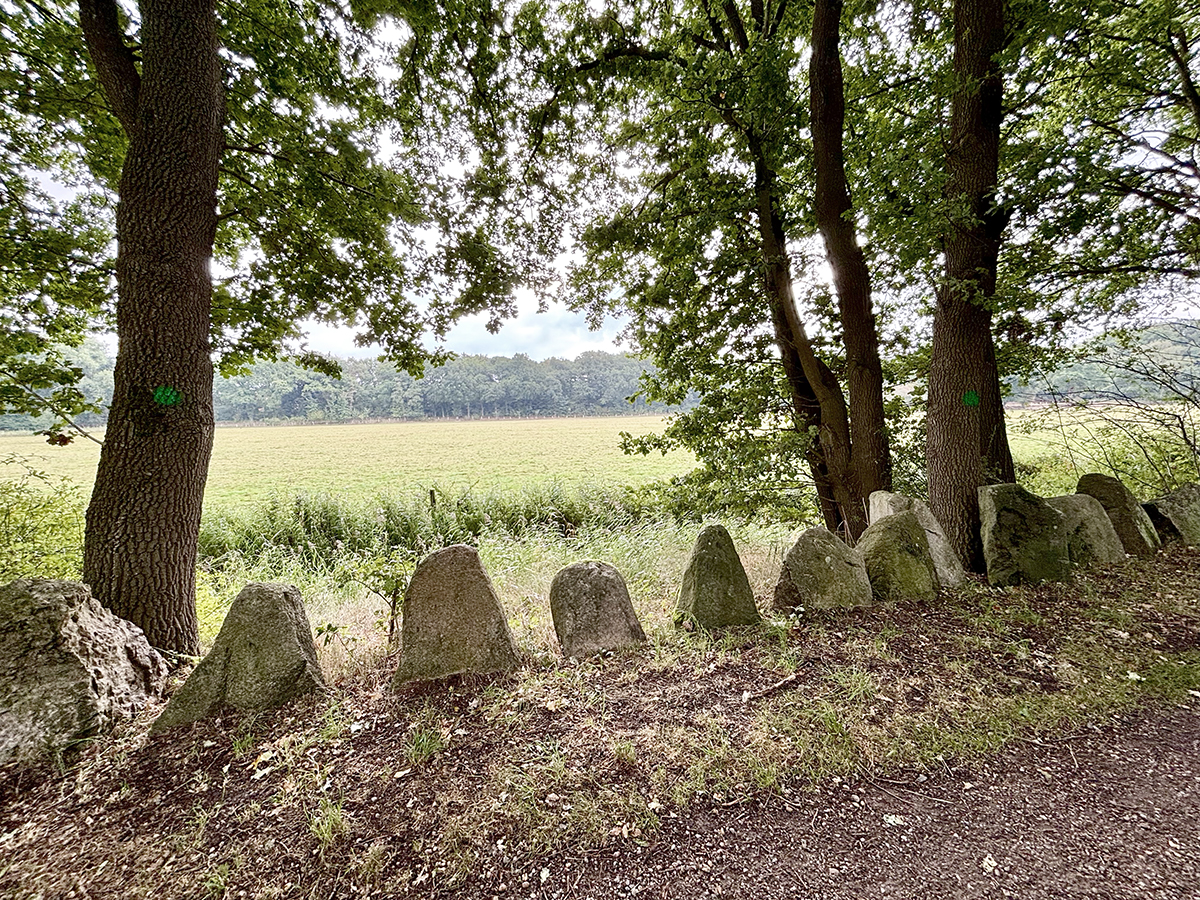
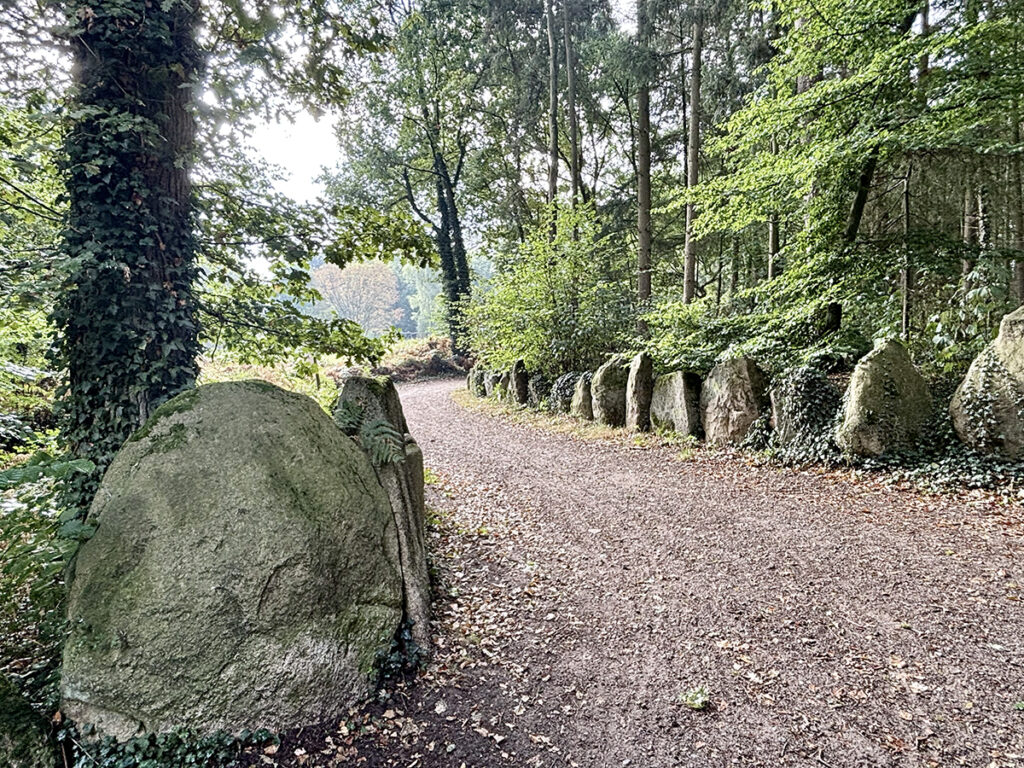
For Heinrich Himmler and the Schutzstaffel (SS), the massacre served as proof of “Germanic” willingness for sacrifice and martial spirit. Himmler insisted that a boulder be placed for every fallen Saxon. These erratic stones were brought in from the wider region, and at one point a prehistoric megalithic tomb—known in Germany as a Hunebed—was even dismantled to satisfy the Reichsführer-SS.
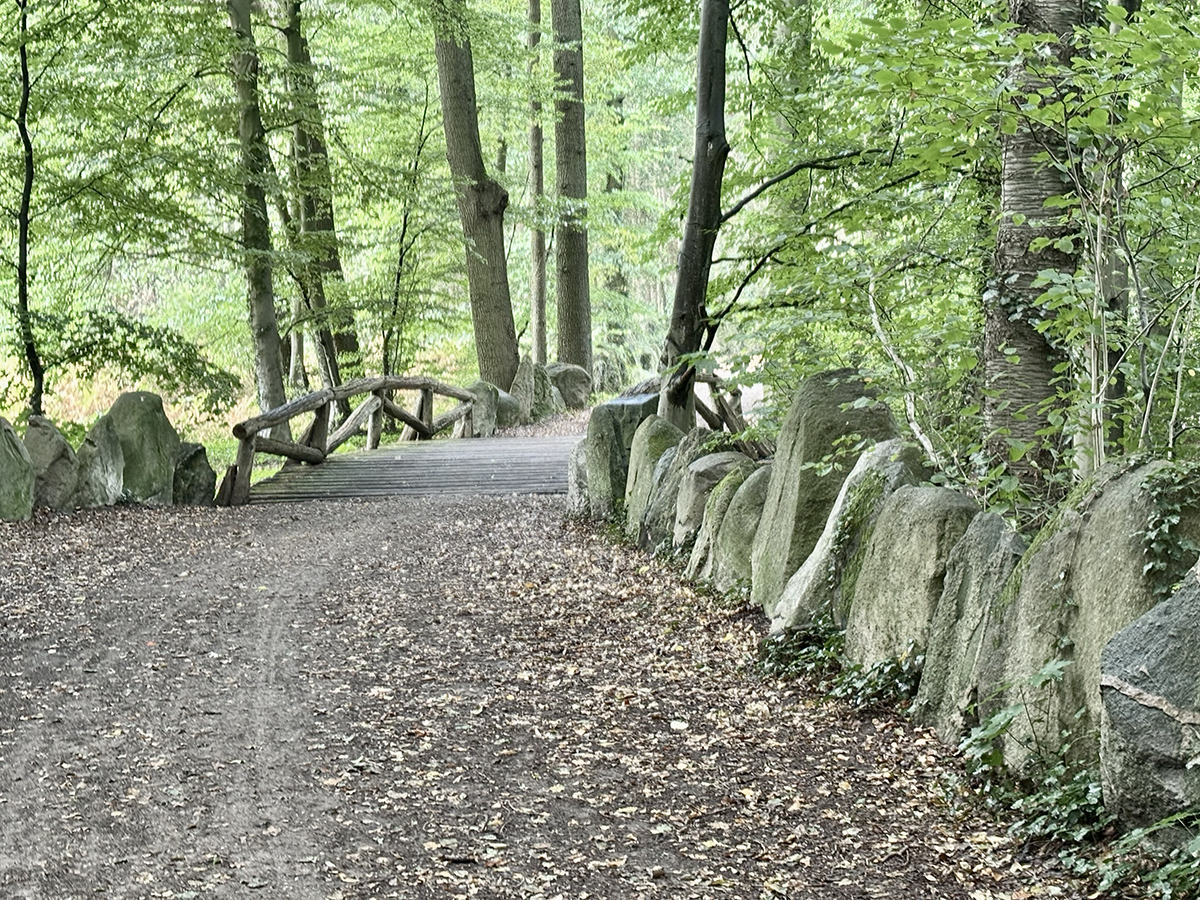
Amid the soggy landscape, an elevated “Sachsenweg” was laid out, flanked on both sides by these petrified warriors and planted primarily with oaks. At its center lies a large open space intended to evoke the pastoral atmosphere of an imagined Germanic landscape. Sachsenhain was explicitly meant to play a prominent role in the Völkisch and Nordic fantasy world cultivated by Himmler and the SS leadership. Through ancient—but mostly invented—rituals, it was supposed to create a bridge between the ancestors and the “present generation.” The ritual gatherings, partly due to Himmler’s aversion to publicity, were shrouded in secrecy and therefore formed a sharp contrast with the mass rallies held at the Bückeberg.
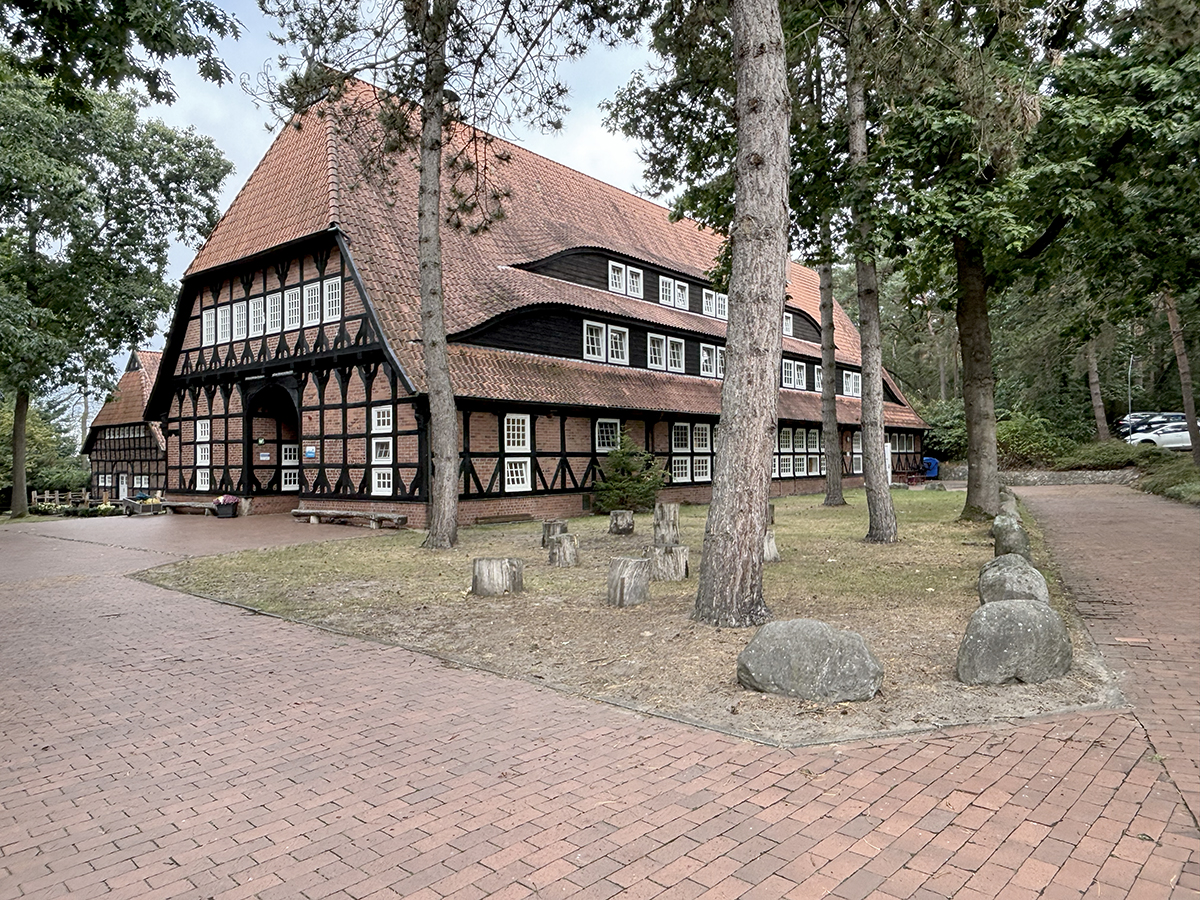
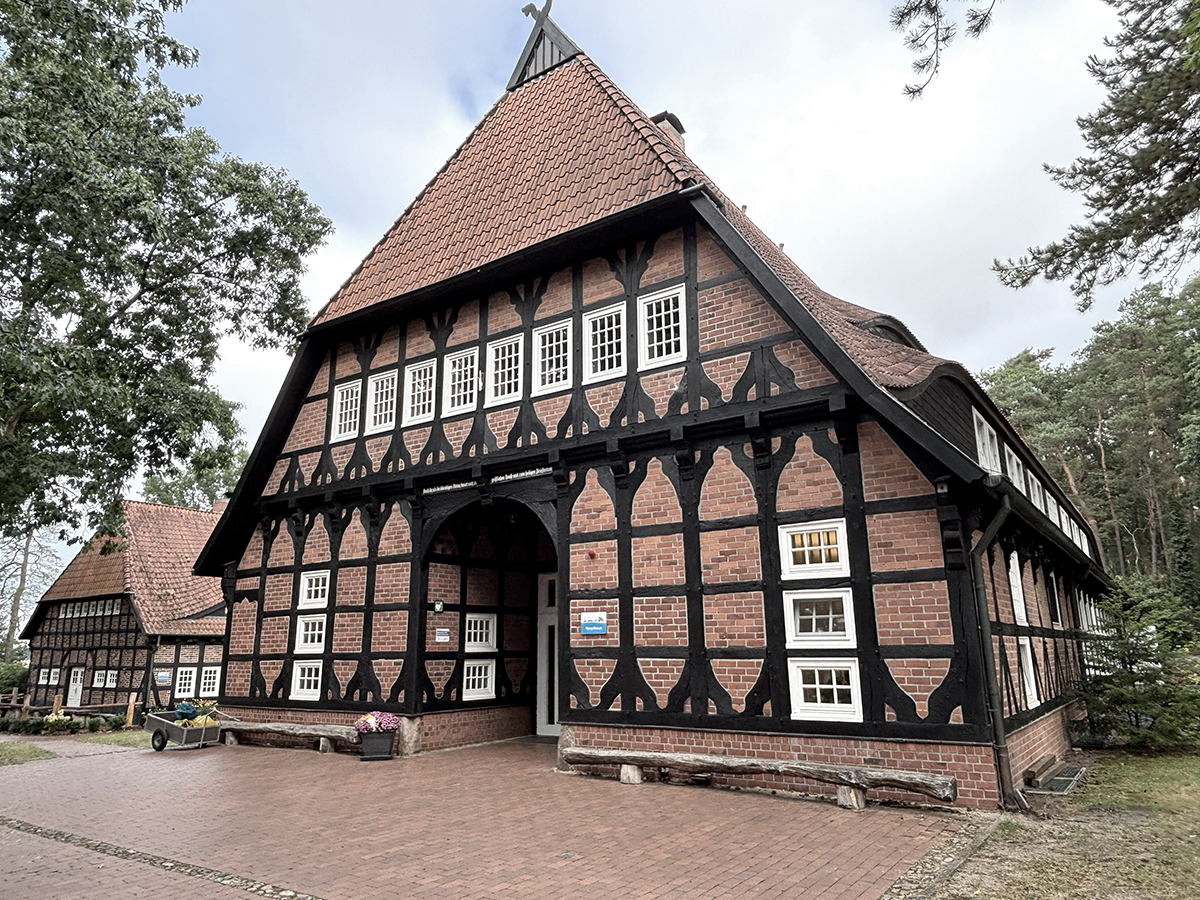
On the northern side, a complex of buildings in Saxon style was constructed to house the invited guests and SS members. One might say that the SS used Sachsenhain as a place for a kind of “team-building.” In the few surviving historical photographs, figures such as Theodor Eicke—the head of all concentration camps—can be seen.
Today this charged site, like so many others, is owned by the Evangelical Church in Germany. In 1962 they had a chapel built there. The irony of history is that its bell tower contains a bell from the church of Elbing, the East Prussian city where, in January 1945, much of the German population perished after a three-week siege while fleeing the advancing Red Army and attempting to escape across the frozen waters of the Frisches Haff.