Above the winding coastal road between Bajamar and Punta del Hidalgo, the rugged cliffs of the Anaga Mountains rise into a veil of low clouds. Banana plantations still line the road, hidden beneath yellow plastic canopies — reminders of a time when Tenerife lived from agriculture rather than tourism.
In the early 20th century, wealthy islanders and British travelers built their villas here, drawn to what was then called “the island of eternal spring.” When air travel took off, the Canaries became a playground for northern sunseekers — icons of early mass tourism alongside the Costa Brava and Costa del Sol.
Bajamar and Punta del Hidalgo tried to follow, transforming from fishing villages into modest resort towns. A faded Dutch guidebook from 1971 praised Bajamar for its “modern urbanizations” and “natural pools.” Today, those words feel almost ironic. The beaches have eroded, and between the banana greenhouses stand the remains of once-modern hotels.
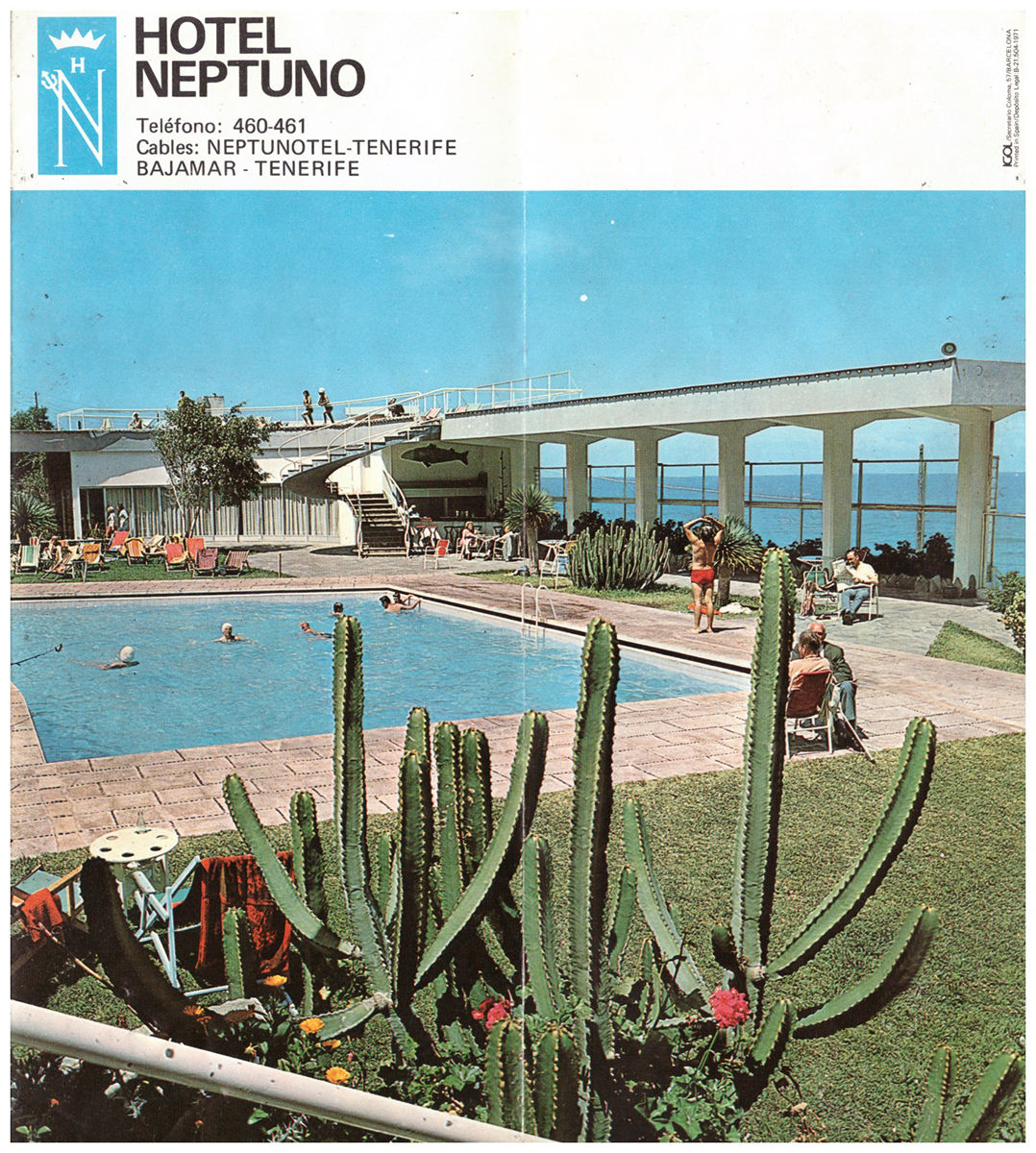
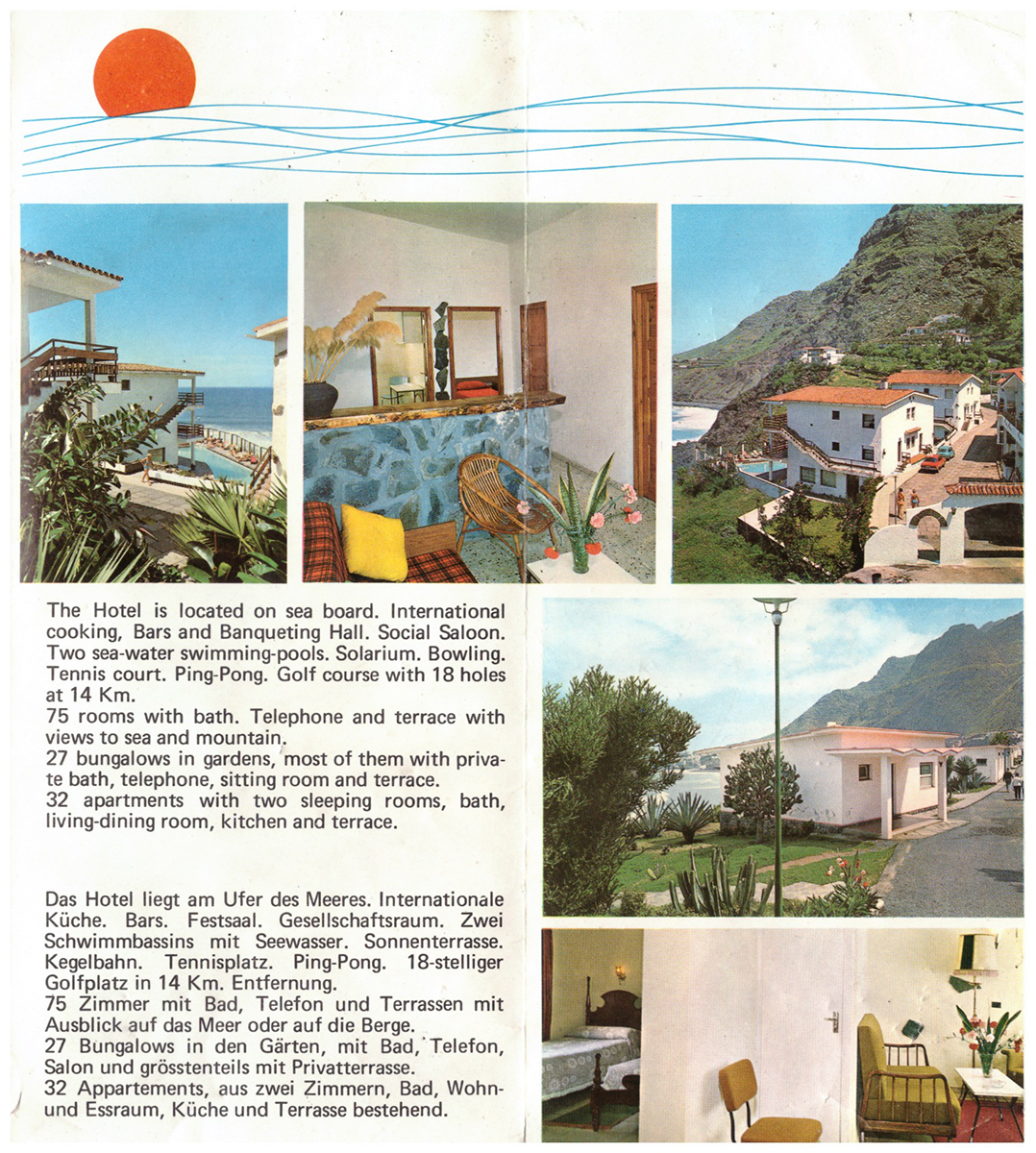
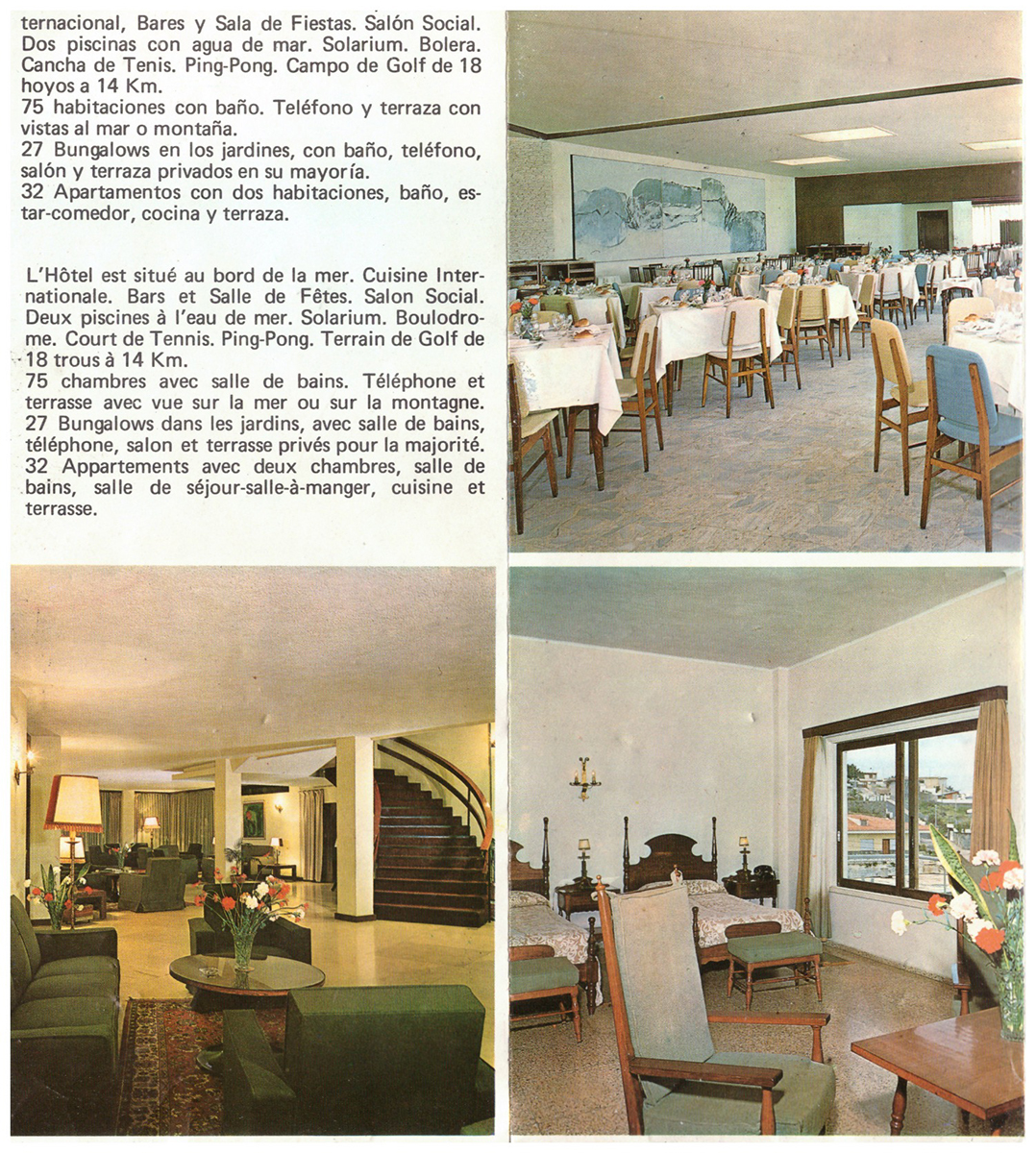
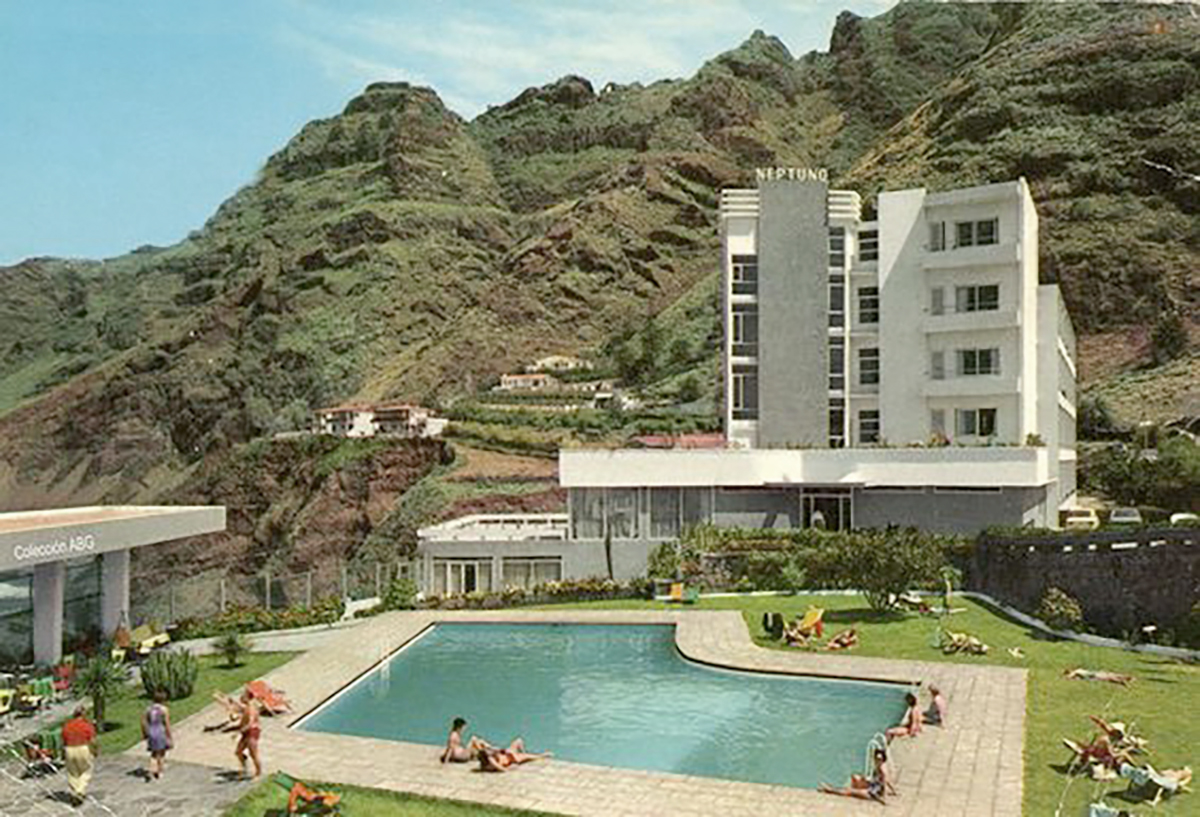
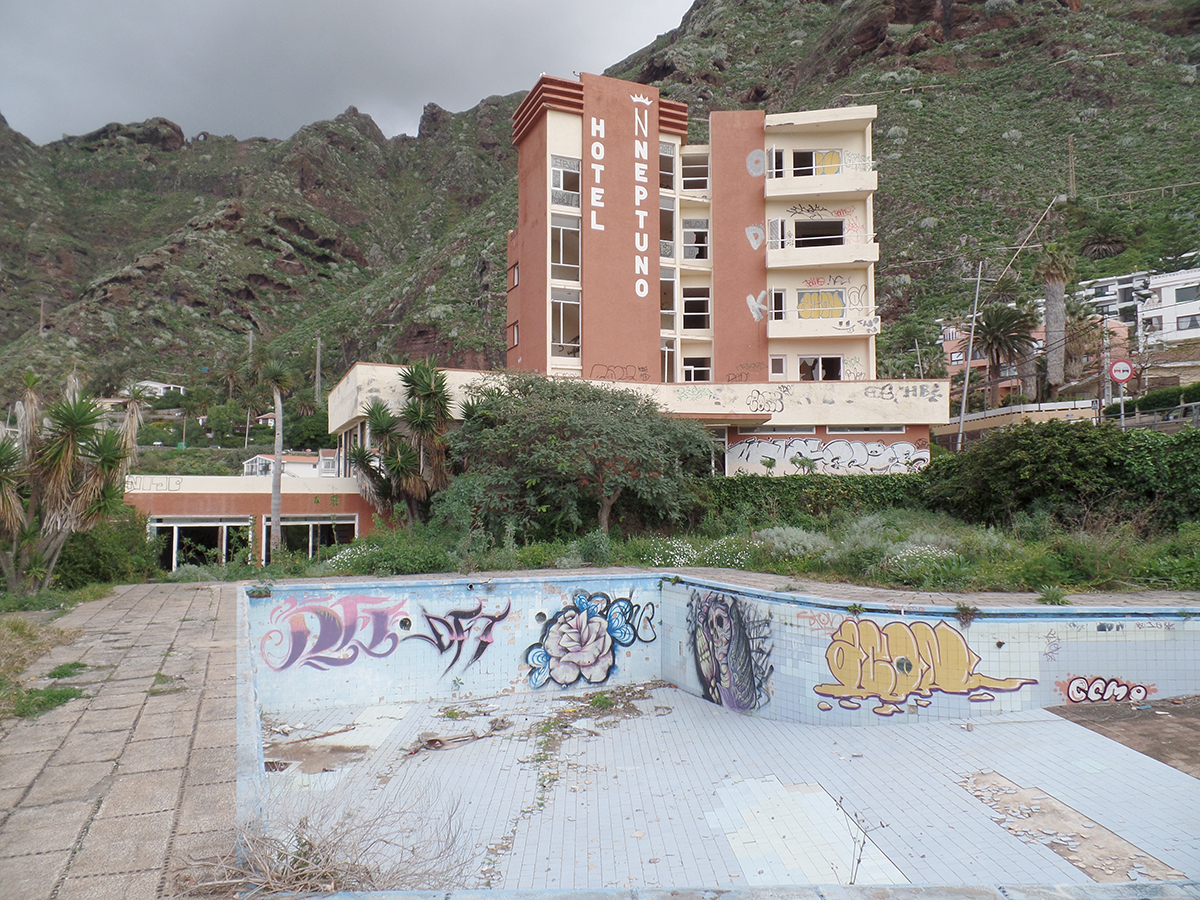
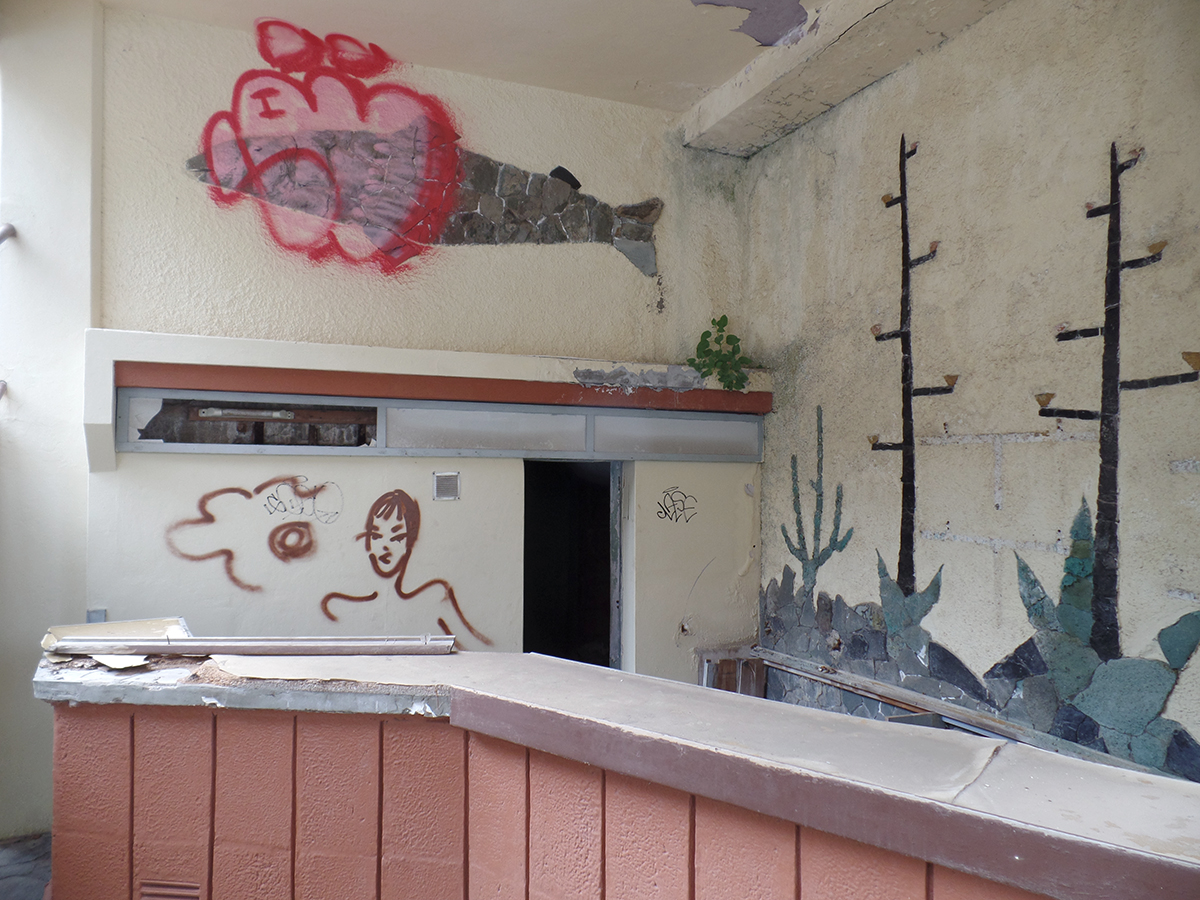
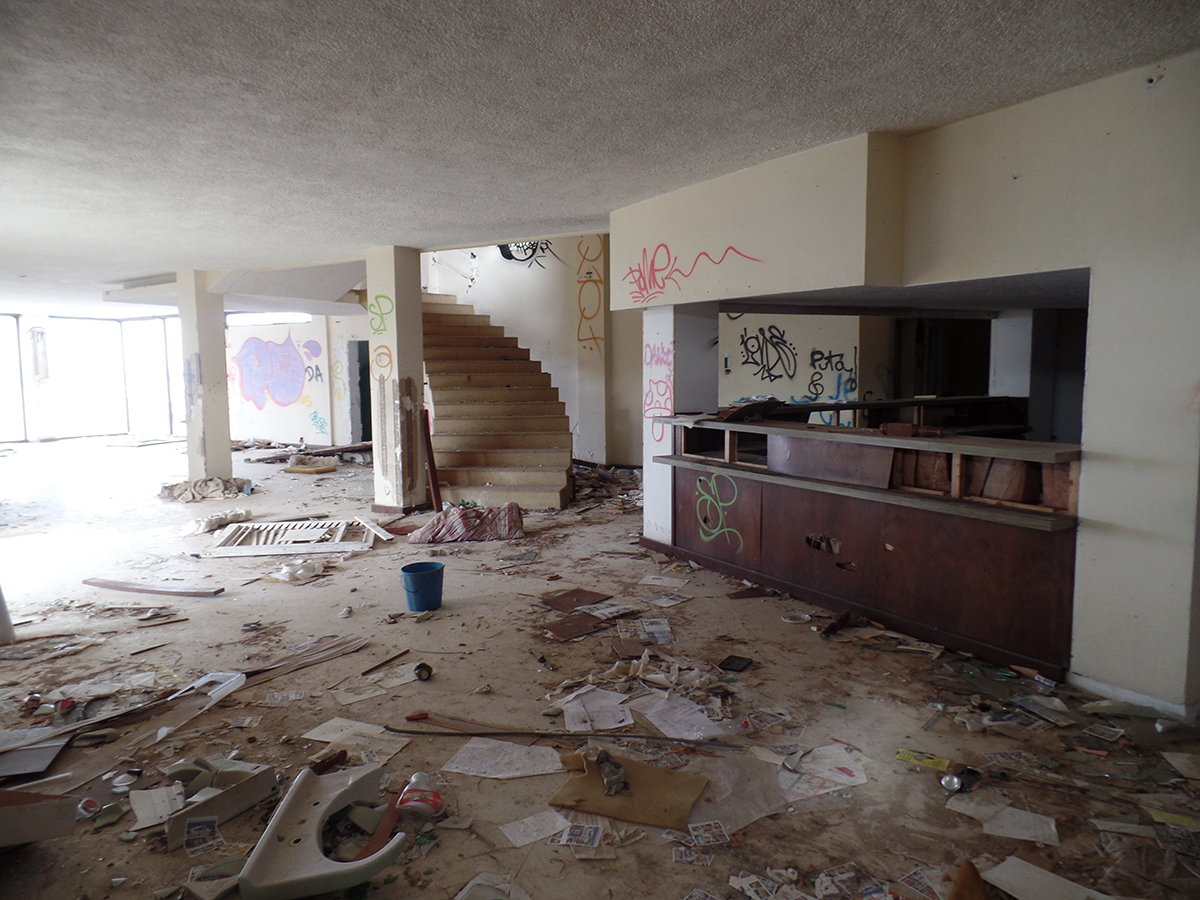
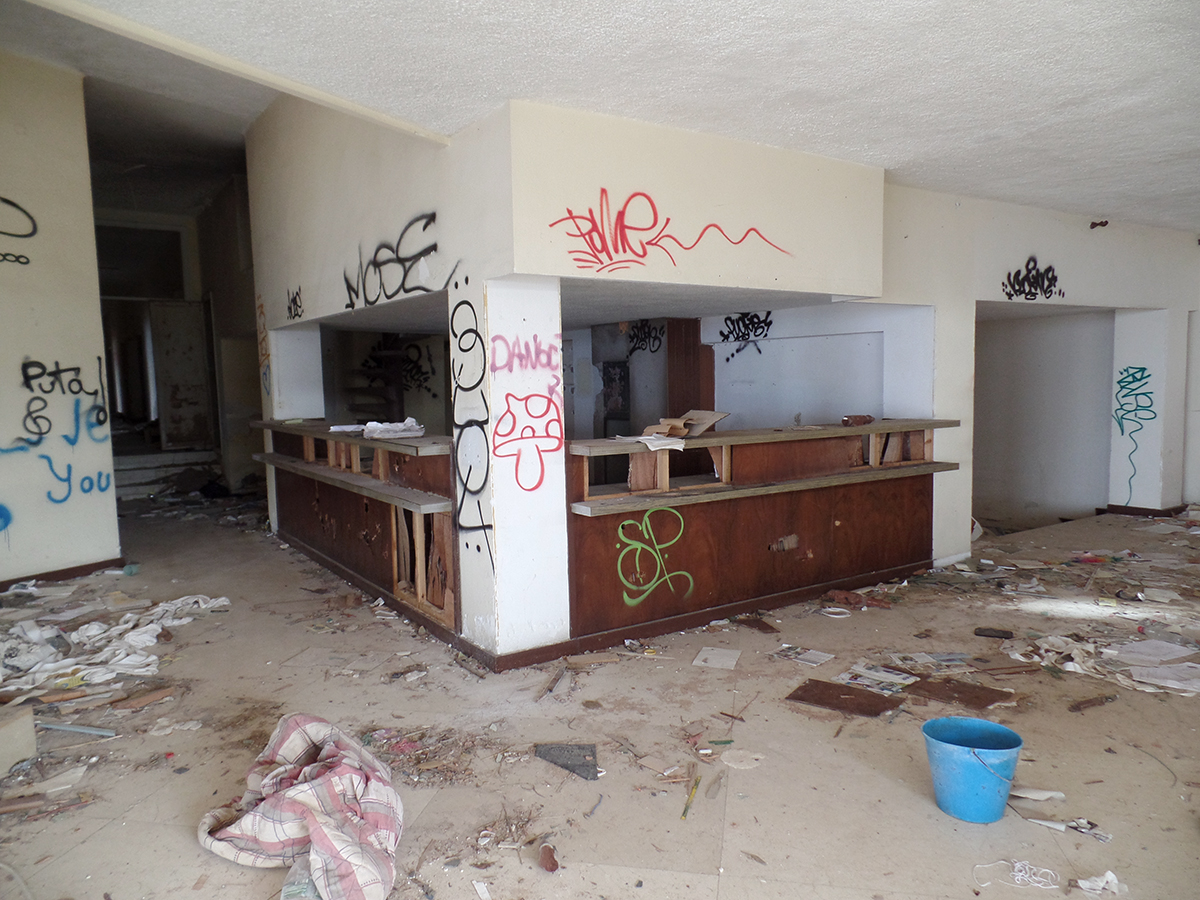
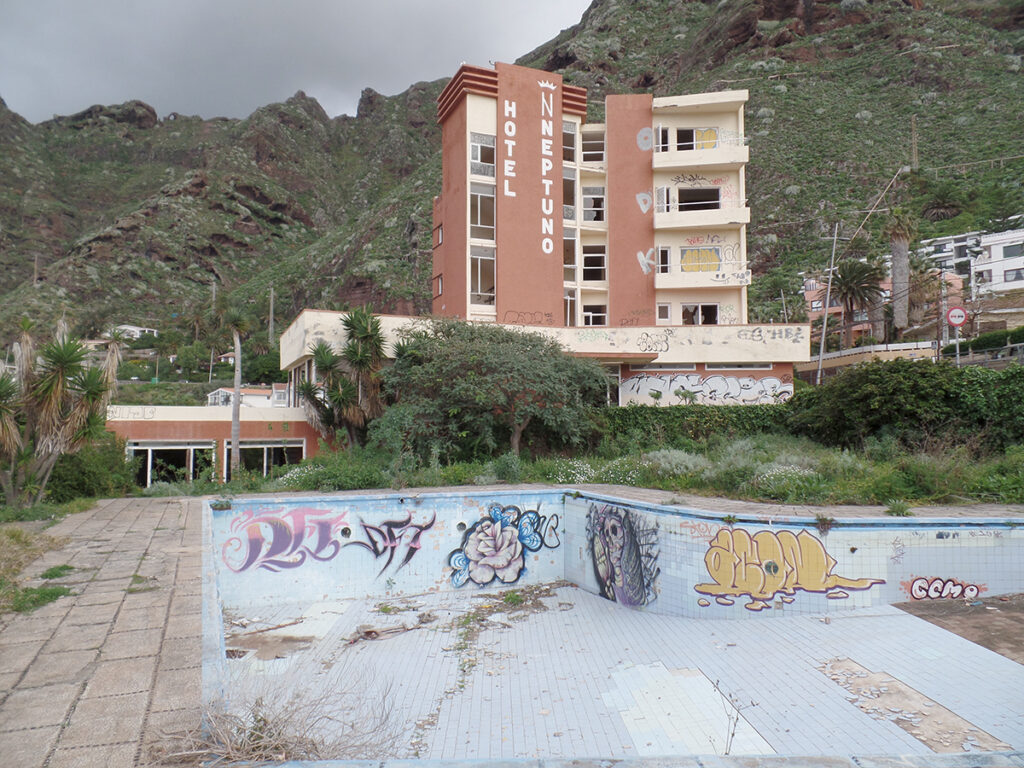
One of them is Hotel Neptuno. Its windows are shattered, the pool empty, the garden overgrown. Inside, among piles of old papers and guest records, I find a brochure from the 1970s: sunbathers in swim caps, whitewashed walls, a gleaming blue pool. Now the same bar mosaic lies beneath graffiti, and copper thieves have gutted the rooms.
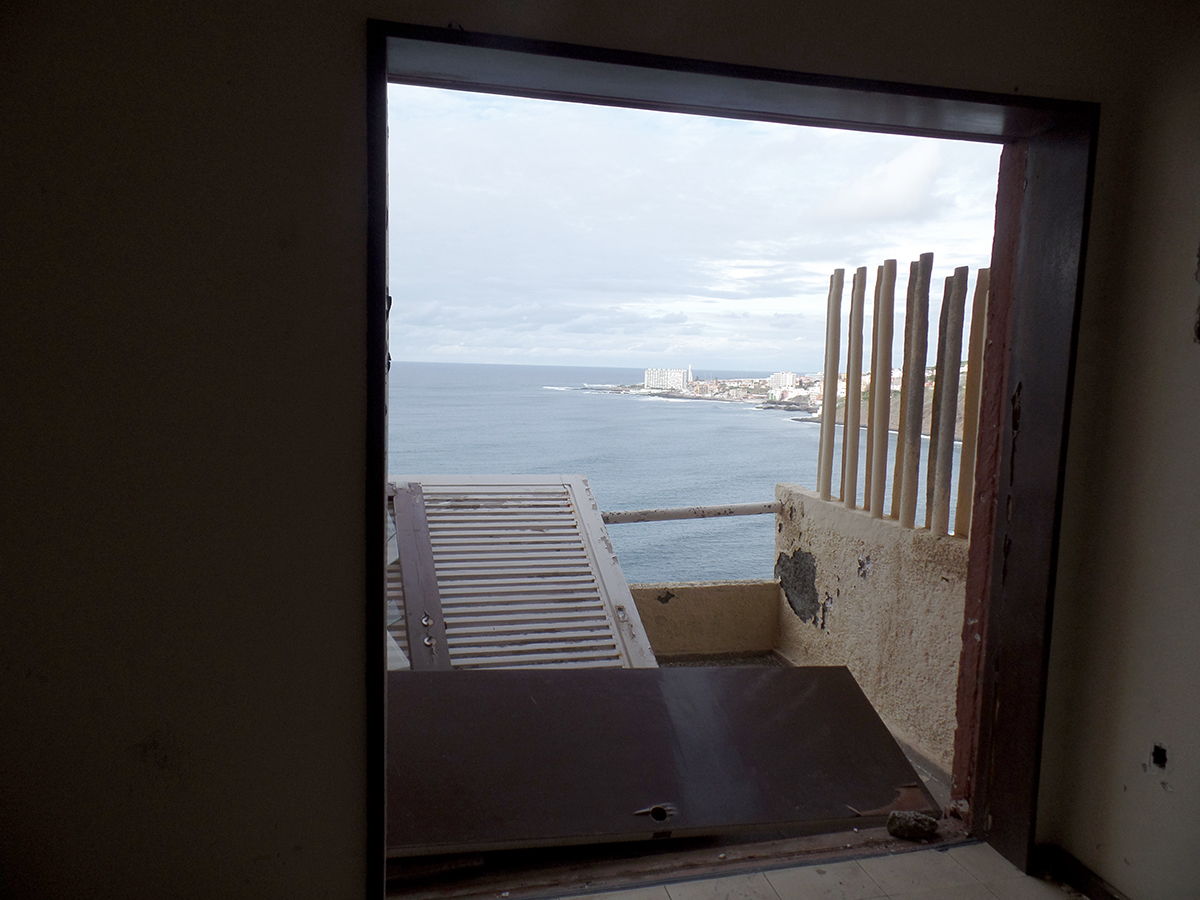
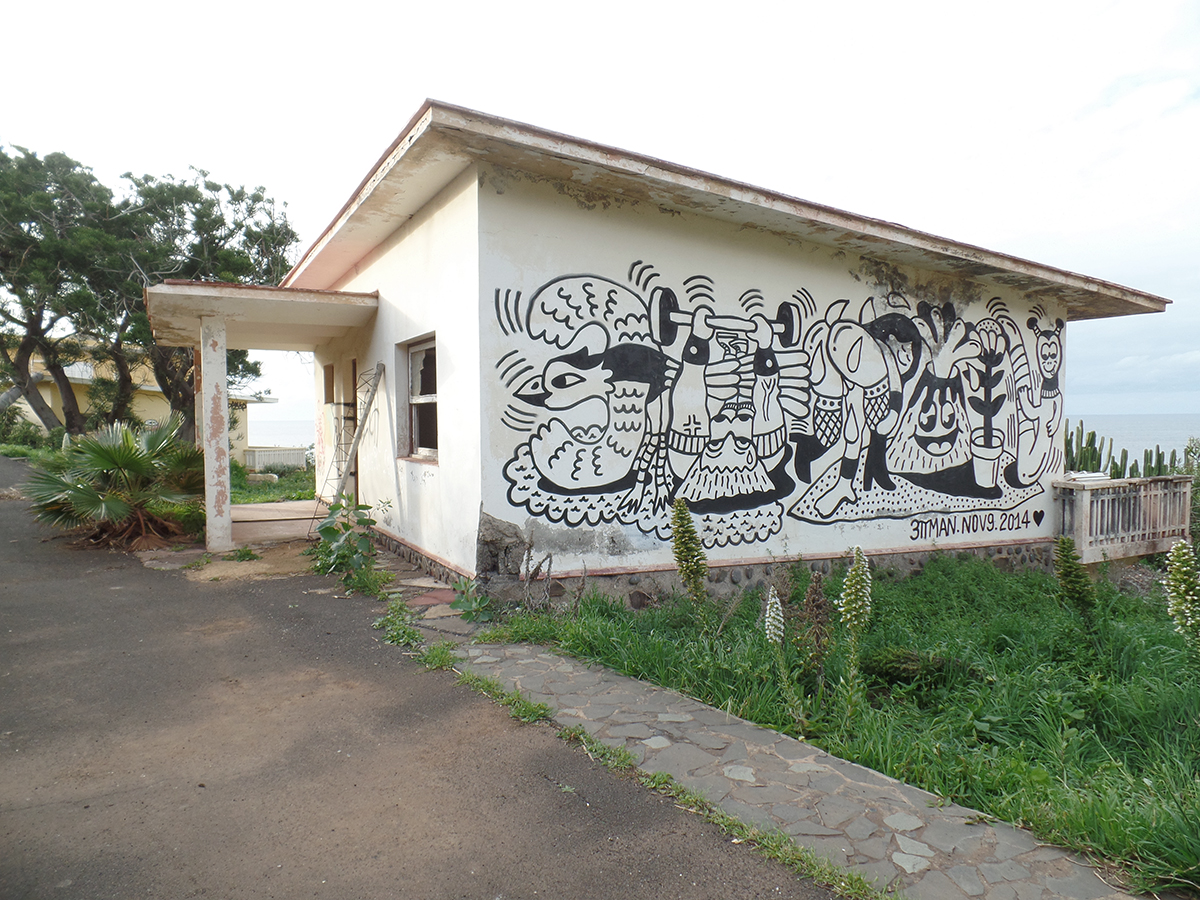
Outside, the sea pounds the cliffs. The tennis court and holiday villas once pictured in the brochure have been swallowed by the Atlantic. The tiny bungalows that remain teeter on the edge, some half-collapsed, others scorched by fire. On one terrace, the afternoon sun catches a vintage sofa and a single piece of graffiti — Fuck You — written in elegant cursive. A final farewell from Hotel Neptuno.